
Best Raiders Players Of All Time: Our Top 10
Posted by JerseyZenith on Oct 27th 2026
- Ten players, ranked by franchise-only performance across positions and eras.
- Performance cutoff: the completed 2025 season; no unfinished 2026 statistics or projected achievements.
- Canton and other honors reviewed separately through October 27, 2026.
- Jersey numbers identify documented use at this franchise; team years distinguish active and reserve status where relevant.
A franchise-wide ranking should survive a change of city. The Raiders’ AFL origins, dominant lines and championship playmakers are evaluated together, with achievements for other clubs removed from every player’s case.
Our top 10 at a glance: rank, position and franchise achievement
| Rank | Player | Position | Team years | Jersey number(s) | Franchise achievement |
|---|---|---|---|---|---|
| 1 | Jim Otto | C | 1960–1974 | 50, 00 | Ten consecutive first-team All-AFL selections |
| 2 | Gene Upshaw | G | 1967–1981 active; 1982 reserve | 63 | Two Raiders Super Bowl championships as a player |
| 3 | Marcus Allen | RB | 1982–1992 | 32 | 1985 AP MVP; Super Bowl XVIII MVP |
| 4 | Tim Brown | WR/KR | 1988–2003 | 81 | 1,070 catches and 14,734 receiving yards for the Raiders |
| 5 | Art Shell | OT | 1968–1982 | 78 | Eight Pro Bowls; two Raiders Super Bowl championships as a player |
| 6 | Ken Stabler | QB | 1970–1979 playing seasons | 12 | 1974 AP MVP; Super Bowl XI championship quarterback |
| 7 | Fred Biletnikoff | WR | 1965–1978 | 25, 14 | Super Bowl XI MVP; 589 Raiders receptions |
| 8 | Ted Hendricks | LB | 1975–1983 | 83 | Three Raiders Super Bowl championships |
| 9 | Willie Brown | CB | 1967–1978 | 24 | 39 interceptions as a Raider; Super Bowl XI champion |
| 10 | Howie Long | DE | 1981–1993 | 75 | Eight Pro Bowls as a Raider; Super Bowl XVIII champion |
How we ranked these players
Our criteria emphasize peak within era and position, longevity as a Raider, individual recognition and postseason contribution. Line play receives the same serious consideration as visible rushing or receiving production. Legacy explains a close choice, while a player’s fame after retirement or the number of jerseys in a catalog does not enter the decision.
This is one franchise comparison covering Oakland, Los Angeles and Las Vegas. Otto’s early AFL work is judged against AFL competition; Allen’s Los Angeles title belongs to the same organization. The official all-time roster supplies factual affiliation evidence, not a ranking to copy. The playing cutoff is the completed 2025 season, with Hall honors reviewed through October 27, 2026. We distinguish reserve status from active years and exclude Allen’s Kansas City career, Hendricks’ earlier clubs and every other outside achievement. The order is editorial, without invented numerical grades or official Raiders endorsement.
The 10 greatest Las Vegas Raiders players
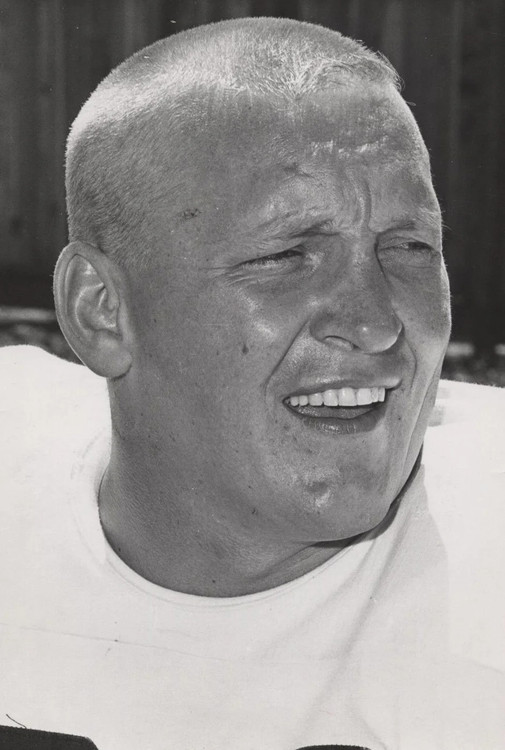
1. Jim Otto
Otto leads because fifteen seasons at the center of the Raiders line included a decade of extraordinary recognition within the AFL. Ten straight first-team All-AFL selections make the dominance more than a story about durability or a memorable number. His value spans the early Oakland years and the transition into the merged league. We give him the narrow edge over Upshaw because of that sustained position-level superiority. Later championship teams had more visible stars, but the franchise-only comparison begins with the player who provided an elite standard from its first season.
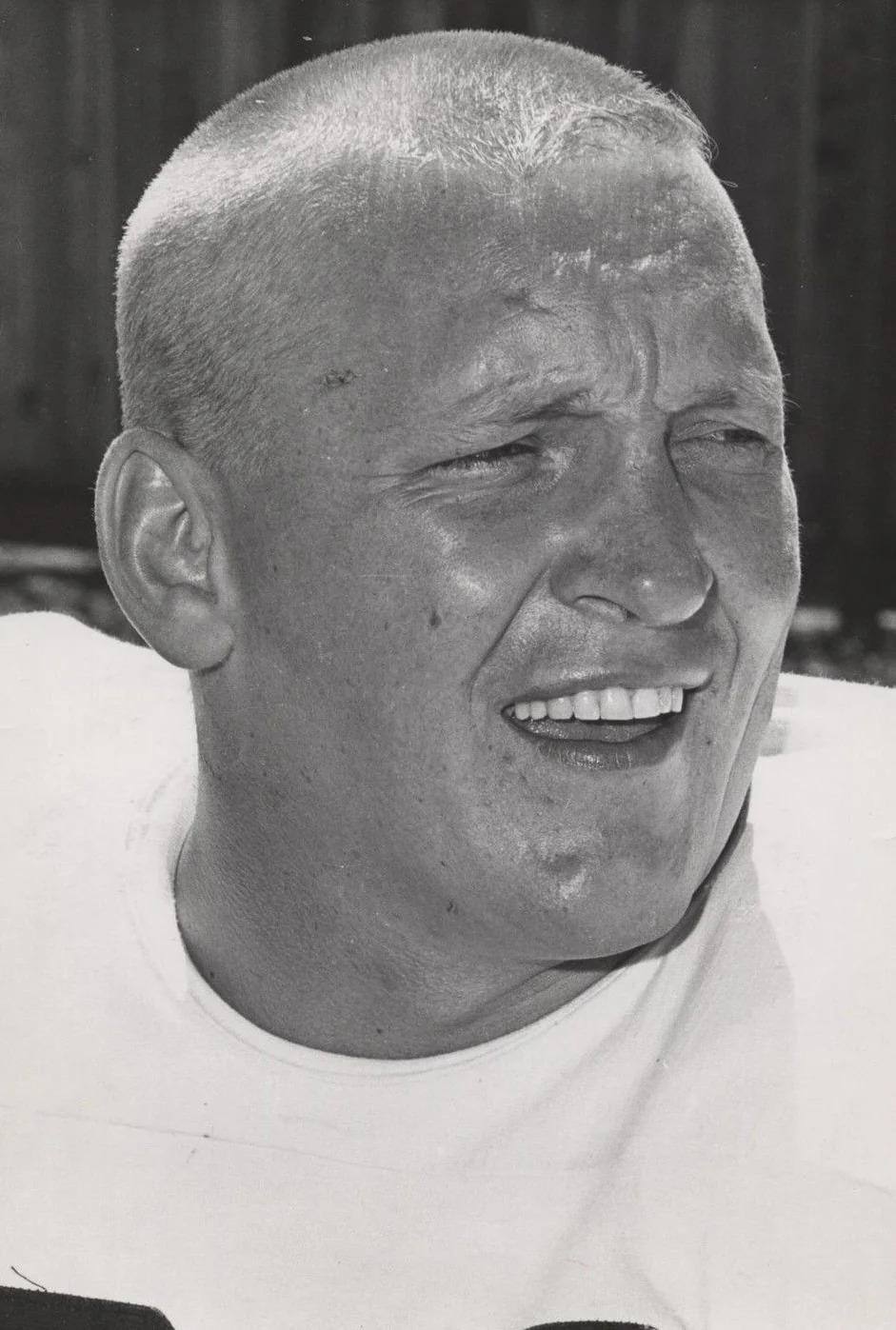
2. Gene Upshaw
Upshaw’s long Raiders career helped create an offensive line capable of sustaining different styles and championship teams. We count the active playing seasons through 1981 and distinguish the 1982 reserve year. His two Raiders Super Bowl championships add meaningful postseason value to repeated high-level recognition at guard. Otto wins the comparison on the length of his uninterrupted AFL dominance; Upshaw answers with a broader championship-era résumé. His later work as a union leader is historically important but contributes no extra playing credit to this ranking.
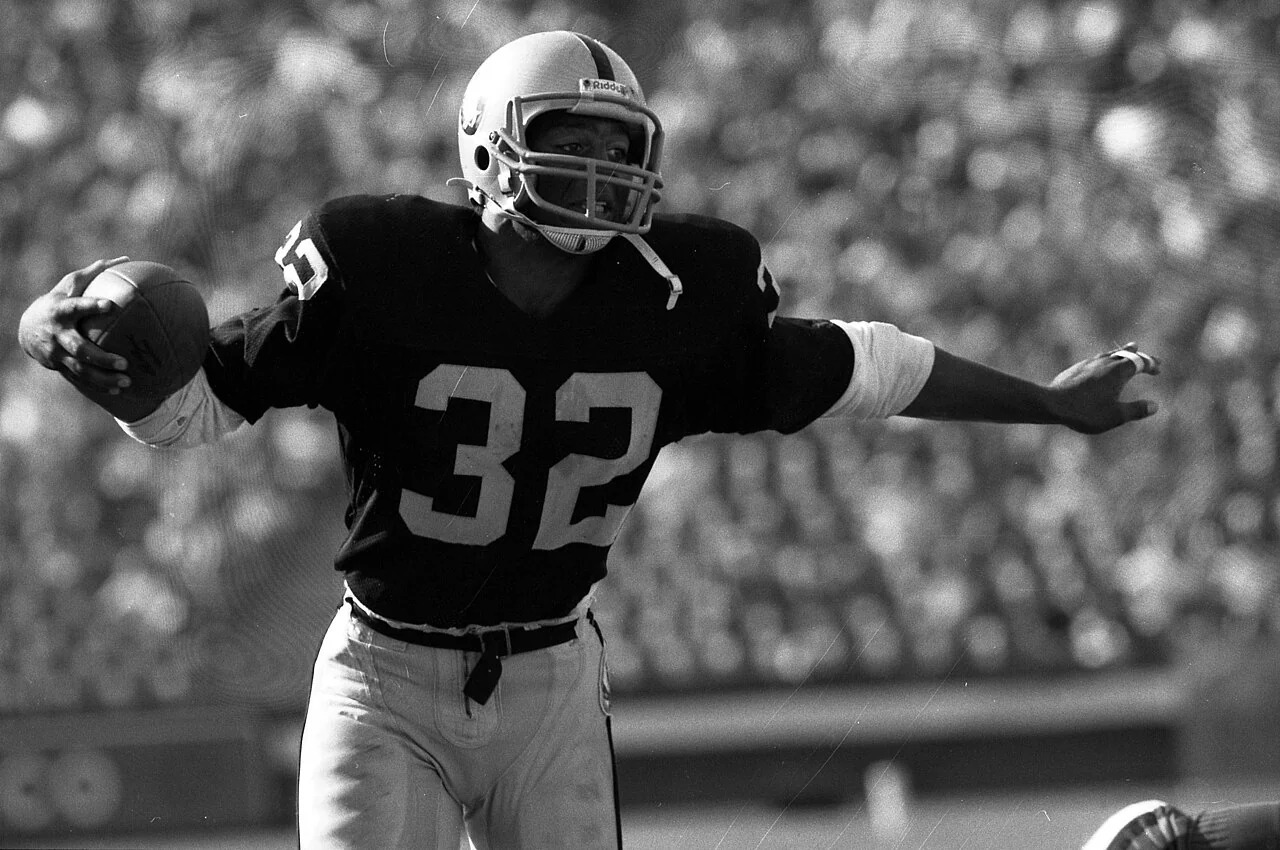
3. Marcus Allen
Allen’s Raiders peak combines the 1985 AP MVP award with a Super Bowl XVIII performance that earned the game’s MVP honor. Those achievements occurred during the Los Angeles period and belong to the same franchise represented here. We exclude every Kansas City statistic and award. His rushing, receiving and versatility give him the strongest skill-position case in the ranking, although the later Raiders role changes reduce the sustained workload. Otto and Upshaw remain ahead because their longer periods of elite line play provide more accumulated franchise value under the stated criteria.
4. Tim Brown
Brown’s sixteen Raiders seasons bridge Los Angeles and the return to Oakland, with 1,070 franchise receptions and 14,734 receiving yards. The return-game contribution adds another dimension, particularly early in the career. His final Tampa Bay season is excluded. We place him fourth because the sustained production is unusually strong, while Allen’s MVP-level peak and championship performance win their comparison. Brown’s case also shows why the ranking covers one franchise across cities: splitting his work by location would distort the value of a career that helped connect two major Raiders eras.
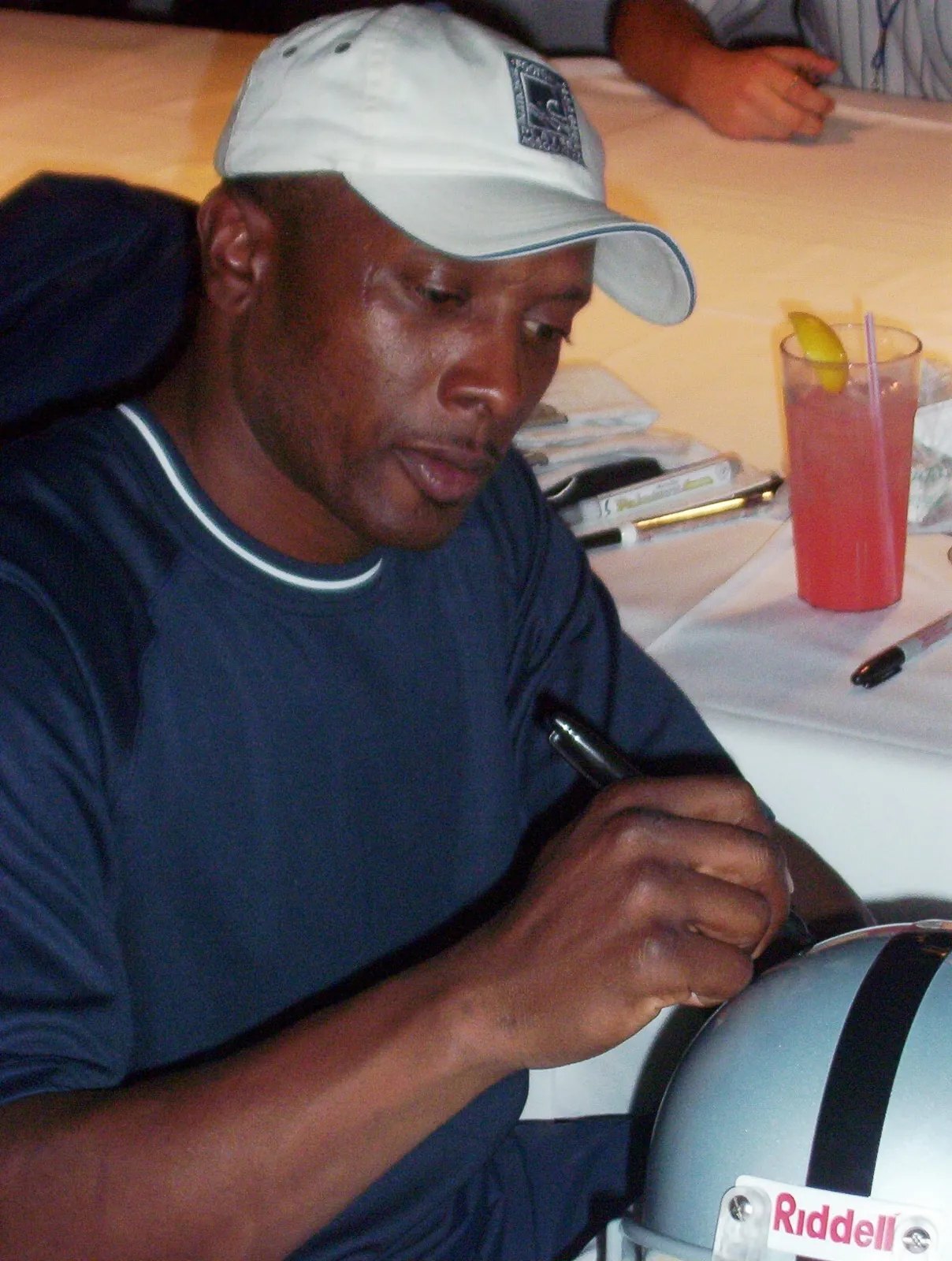
5. Art Shell
Shell’s placement rests entirely on his tackle play, rather than his later coaching role. Eight Pro Bowls and two Raiders Super Bowl championships provide a strong record of both individual standing and postseason contribution. His fifteen seasons supplied long-term continuity on an offensive line that made different stars productive. Brown receives a narrow edge for the enormous sustained receiving footprint across changing offenses. Shell answers with position-level excellence and championship service, making fifth place a judgment about comparative weight rather than a claim that tackles matter less than receivers.
6. Ken Stabler
Stabler’s ranking combines a league MVP peak in 1974 with the quarterback role on the Super Bowl XI champions. We use the 1970–1979 Raiders playing seasons and do not count earlier development time as another year of regular-season production. His capacity to operate the passing offense under pressure matters, but team wins remain shared achievements. He sits below Shell because the tackle supplied longer elite service, while Stabler’s championship and MVP combination gives him an advantage over the receivers and defenders immediately below. Later Houston and New Orleans work is outside the comparison.
7. Fred Biletnikoff
Biletnikoff supplies a long receiving career with a championship performance strong enough to earn Super Bowl XI MVP. His 589 Raiders catches came in a lower-volume passing environment than Brown’s, so the raw totals do not settle their order. We nevertheless give Brown the edge for a much longer period of high production across changing teams. Stabler’s quarterback peak narrowly wins the adjacent comparison. Biletnikoff’s route craft and repeated offensive responsibility keep him securely seventh, with every part of the argument based on Raiders playing work rather than subsequent coaching associations.
8. Ted Hendricks
Hendricks ranks eighth for the range of contributions he made to three Raiders championship teams. Coverage, pressure, run defense and special teams all belong in the assessment; a sack-only comparison would overlook much of his value. We count only the Oakland and Los Angeles seasons from 1975 through 1983, leaving his earlier Baltimore and Green Bay achievements out. Biletnikoff receives the edge for a longer Raiders career and a championship MVP performance. Hendricks remains the highest defender here because his sustained versatility connected several winning teams without depending on one narrow statistical category.
9. Willie Brown
Brown’s twelve Raiders seasons established a coverage standard with 39 Raiders interceptions and a memorable scoring play in Super Bowl XI. We treat that championship highlight as part of a substantial career rather than as a substitute for one. His earlier Denver work is excluded from both totals and ranking credit. Hendricks wins their close comparison because of the breadth of his responsibilities and three Raiders titles. Brown’s longer tenure and strong position-level peak keep him just ahead of Long, while readers emphasizing cornerback isolation value could reasonably place him higher.
10. Howie Long
Long completes the top ten through thirteen Raiders seasons that combined interior and edge defensive work with sustained contemporary recognition. Eight Pro Bowls and a role on the Super Bowl XVIII champions provide independent peak and postseason anchors. We place Brown narrowly ahead for the longer elite coverage footprint, while acknowledging that comparing line disruption with cornerback responsibility is necessarily interpretive. Long earns this position on the playing record, not later broadcasting visibility. The final place is especially competitive with other championship defenders, offensive linemen and receivers who remain outside a ten-player limit.
Oakland history and the best Raiders defensive players of all time
A search for the best Oakland Raiders players of all time reaches the same franchise history covered here. City labels identify the era, rather than separate membership. Among the best Raiders defensive players of all time in this top ten, Hendricks leads Brown and Long under our balance of versatility, peak and championship contribution. Other elite defenders have strong cases, but a ten-player limit forces comparisons with equally important offensive careers.
Wear their legacy
Otto’s 00 and the championship lines provide a very different reference from Allen’s Los Angeles running-back era or Brown’s career across two cities. The verified Raiders away collection offers a team-style entry point, with the legends jersey hub available for a broader historical comparison. This guide does not claim a listing for every ranked player.
Inspect the actual Nike product details when choosing a modern version of a historical look. Number, name and era should agree before a jersey is described as a reproduction. The Raiders number guide explains team policy, and the Hall of Famers guide separates Canton membership from editorial greatness.
Frequently asked questions
Why is Jim Otto number one?
Fifteen Raiders seasons and ten consecutive first-team All-AFL selections give Otto an exceptional blend of peak and sustained franchise value. Upshaw has a close alternative case built around long line service and two championships.
Does Oakland have a separate all-time list here?
No. Oakland, Los Angeles and Las Vegas are eras of the same Raiders franchise. The table identifies each player’s tenure, and the article keeps that history together on one URL.
Why is Marcus Allen’s Kansas City work excluded?
The ranking measures Raiders contribution. Allen’s Raiders MVP and Super Bowl XVIII performance count; production or honors earned with another franchise do not.
Is Canton membership required?
No. Hall induction is a separate historical fact with its own rules and dates. A player qualifies for this ranking through completed Raiders performance, whether elected to Canton or not.
Sources
- Raiders official all-time roster, affiliation evidence
- Raiders official Hall of Fame careers
- Canton profile: Jim Otto
- Canton profile: Gene Upshaw
- Canton profile: Marcus Allen
- Canton profile: Tim Brown
- Canton profile: Art Shell
- Canton profile: Ken Stabler
- Canton profile: Fred Biletnikoff
- Canton profile: Ted Hendricks
- Canton profile: Willie Brown
- Canton profile: Howie Long
- Official 2025 Las Vegas Raiders media guide: franchise careers, numbers and records
- Willie Brown official Raiders biography: 39 franchise interceptions
Sources checked October 27, 2026. Performance comparisons stop at the completed 2025 season; Canton membership reflects completed induction classes through 2026.