
Packers Super Bowl Wins: Seasons, Scores and Jerseys
Posted by JerseyZenith on Oct 27th 2026
- Record through Super Bowl LX: 4 wins in 5 appearances.
- Season labels refer to the team’s football season; the Super Bowl is played in the following calendar year.
- The MVP column names the game award winner, including an opponent when this team lost.
- Historical jersey colors are recorded separately from the designated home or away team.
Green Bay's four Super Bowl championships span the competition's opening games, the Favre era and the Rodgers era. They form one part of a longer NFL championship history. The guide below counts only Super Bowls and keeps each season, game date, MVP and jersey color attached to the right appearance.
Green Bay Packers Super Bowl record at a glance
| Super Bowl | Season / game year | Opponent | Score (team first) | Jersey color | Game MVP |
|---|---|---|---|---|---|
| Super Bowl I | 1966 / 1967 | Kansas City Chiefs | W 35–10 | green | Bart Starr |
| Super Bowl II | 1967 / 1968 | Oakland Raiders | W 33–14 | white | Bart Starr |
| Super Bowl XXXI | 1996 / 1997 | New England Patriots | W 35–21 | green | Desmond Howard |
| Super Bowl XXXII | 1997 / 1998 | Denver Broncos | L 24–31 | white | Terrell Davis |
| Super Bowl XLV | 2010 / 2011 | Pittsburgh Steelers | W 31–25 | green | Aaron Rodgers |
Four Super Bowl titles, separate from the broader championship count
The Packers Super Bowl wins came in I, II, XXXI and XLV. Green Bay won the first two games in the competition's history, then added titles after the 1996 and 2010 seasons. The club's earlier NFL championships are important franchise history, but they are not extra Super Bowl wins.
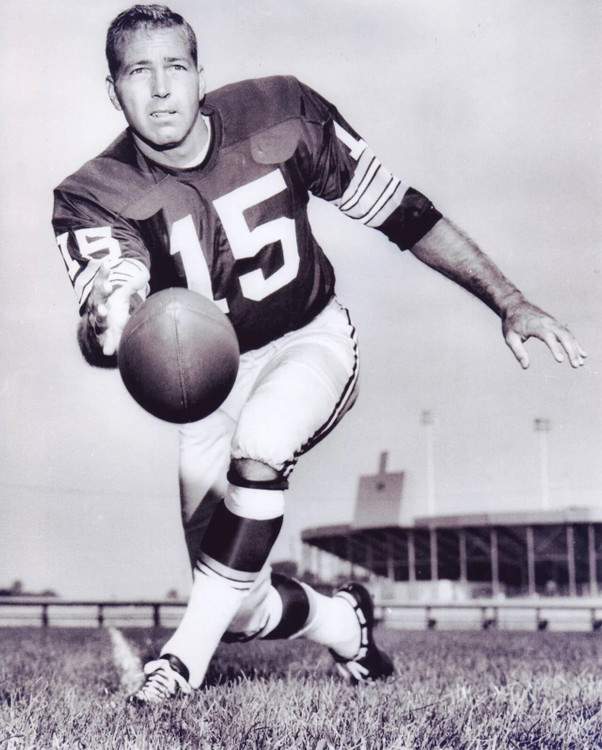
Super Bowl I completed the 1966 season and was played in January 1967. Green Bay beat Kansas City 35–10, with Bart Starr as MVP. Super Bowl II followed the 1967 season and was played in January 1968. The Packers beat Oakland 33–14, and Starr again received the award.
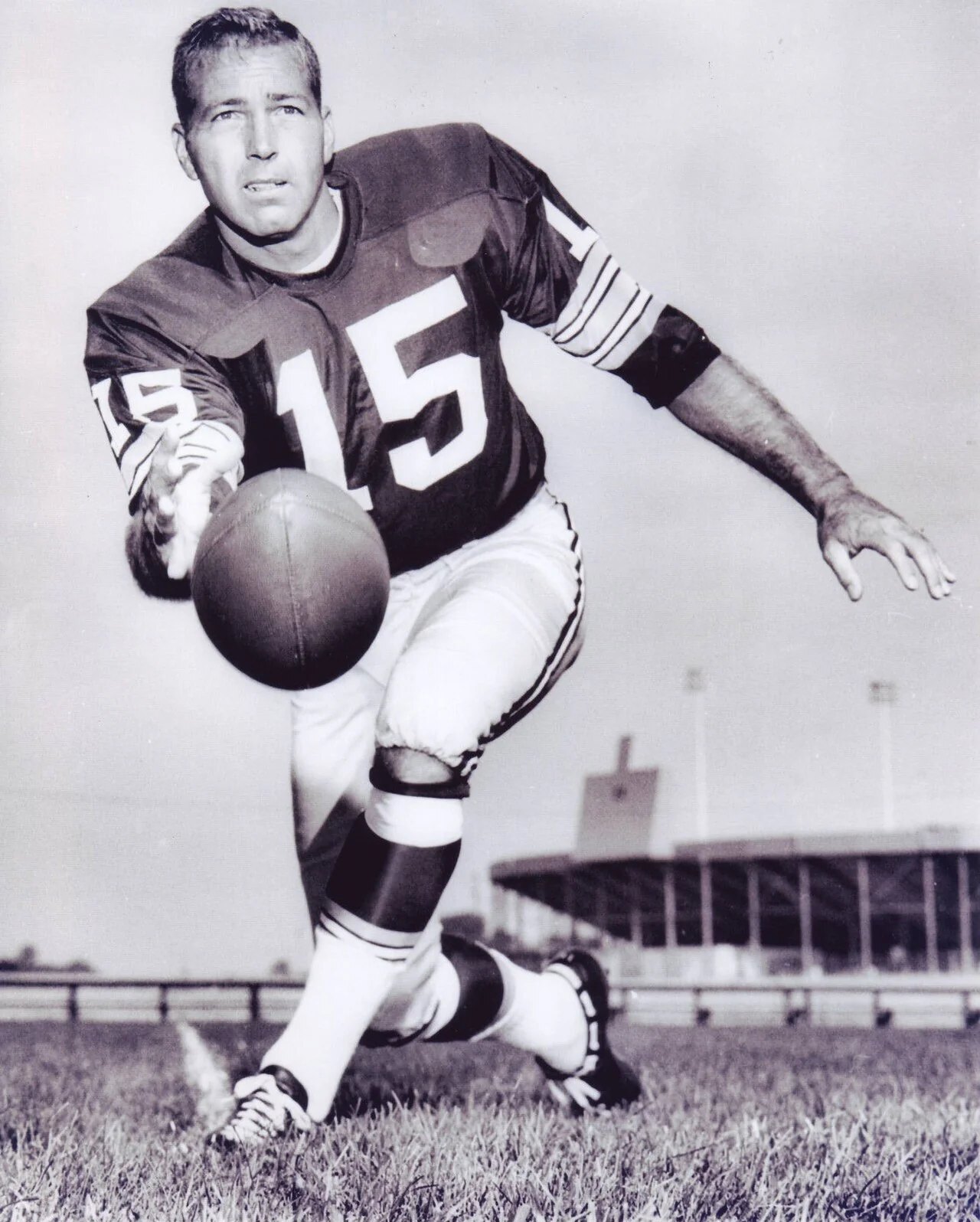
Those opening games bridged the separate AFL and NFL period. They should still be included in the four-title Super Bowl count. A timeline beginning only with the merged league would omit the two championships that helped establish Green Bay's connection with the competition itself.
The return after the 1996 season
Green Bay's next Super Bowl victory came in XXXI, a 35–21 win over New England. The game was played in January 1997 for the 1996 season. Desmond Howard earned the MVP award, so the game should not be described as a Brett Favre MVP even though Favre was the championship quarterback.
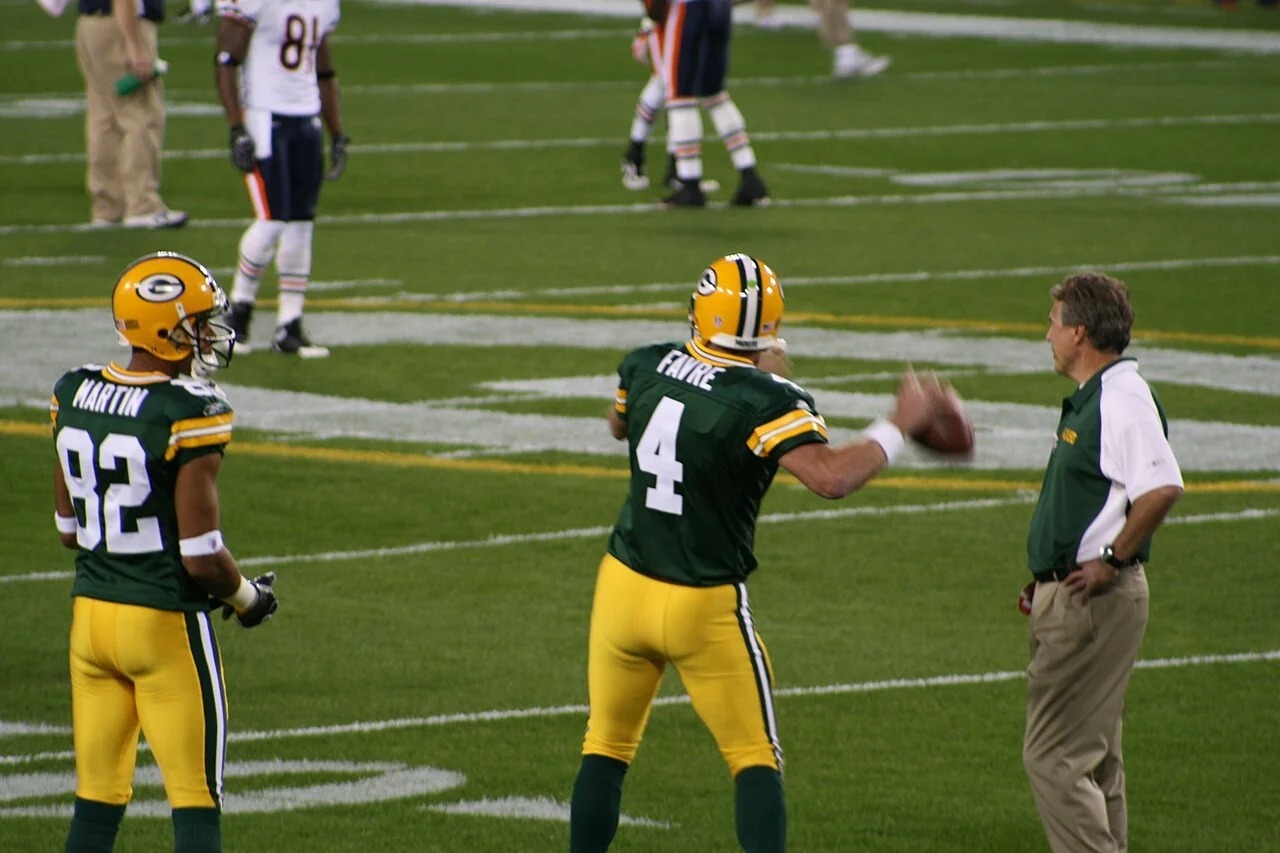
The Packers returned the following season but lost XXXII to Denver 31–24. That gives this era one title and one defeat in consecutive appearances. The later loss does not diminish the first championship, but it prevents the pair from being labeled back-to-back Super Bowl wins.
The contrast is useful for a collection organized by uniforms as well as results. Green Bay wore green in the win over New England and white in the loss to Denver. The two appearances share a team era while representing different game uniforms and outcomes.
The Packers’ last Super Bowl win
The Packers’ last Super Bowl win is XLV, a 31–25 victory over Pittsburgh on February 6, 2011. It completed the 2010 season. Aaron Rodgers was MVP. Through LX, it is also Green Bay's latest Super Bowl appearance, bringing the record to four wins and one loss.
Season and calendar-year labels matter here just as they do for the first two championships. “2010 champions” and “the 2011 Super Bowl” can describe the same team accomplishment. Use both when the context could otherwise be mistaken for a different season or an anniversary product.
What the Packers wore in the five games
Green Bay wore green in I, white in II, green in XXXI, white in XXXII and green in XLV. The second championship is the easy one to misidentify: the Packers wore white against Oakland's black. A historical account that puts Green Bay in green for both opening Super Bowls is inaccurate.
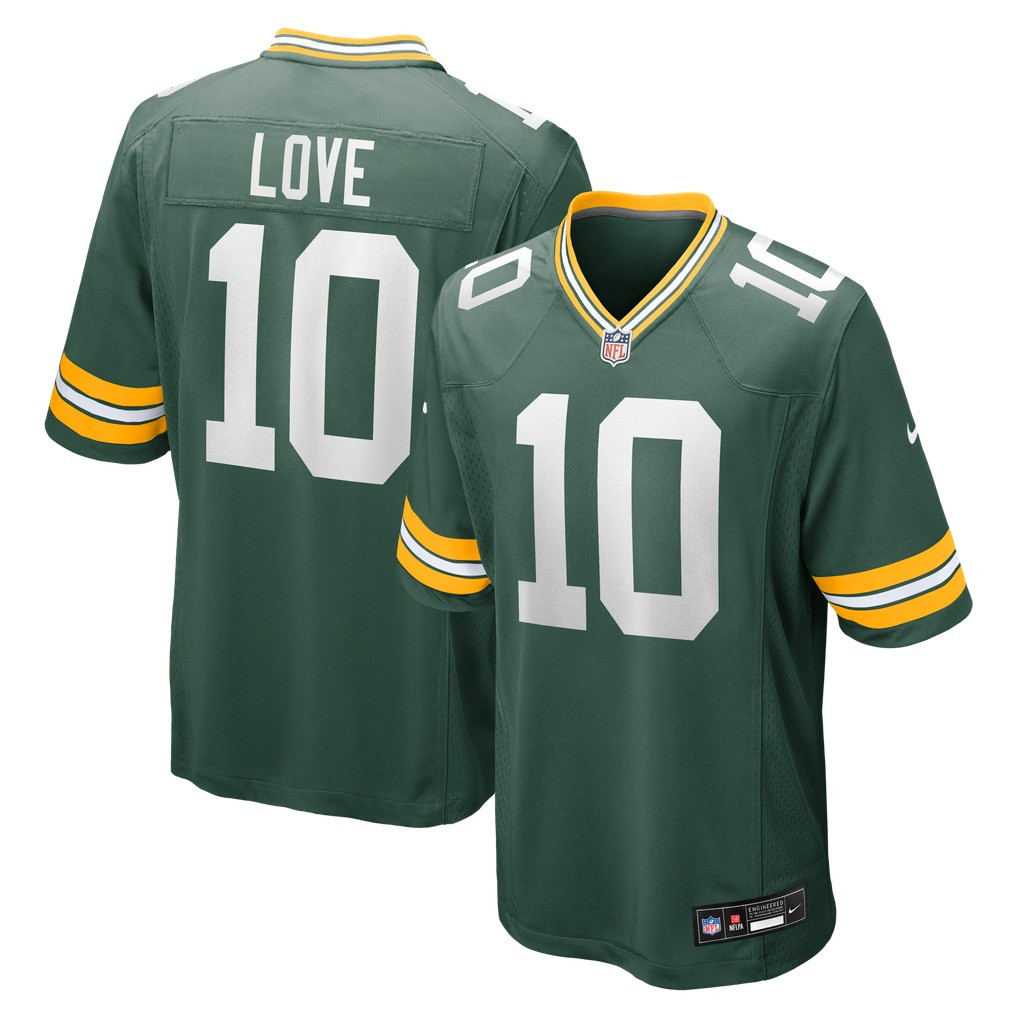
The later green wins are separated by decades of uniform construction and retail manufacturing. The shared color is only the beginning of a comparison. Check the player, number style, sleeve treatment and era before describing a modern Nike jersey as a tribute to a particular title team.
Home-style and away-style colors are not a location record. The Super Bowl assigns a home designation at its selected venue. White can appear in a win, as it did in II, and a defeat, as it did in XXXII. This guide records those choices without turning a small historical sample into a claim about which color causes success.
Choose a Packers era to wear
Browse the main team collection first, then compare Packers throwback jerseys if an older visual identity is the goal. The legends jersey hub offers a player-focused route into earlier teams. Neither category name alone establishes that a product reproduces I, II or XXXI.
For a gift, choose the championship memory before the item: Starr's opening pair, Howard's return-game MVP or Rodgers's XLV title. Then verify the listed name, number, edition and included decoration. A wearable team tribute and a historically exact display jersey can require different details, even when both begin with the familiar green-and-gold identity.
Frequently asked questions
How many Super Bowls did the Packers win?
Four from five appearances through LX.
What years did the Packers win Super Bowls?
The winning seasons were 1966, 1967, 1996 and 2010. The games were played in 1967, 1968, 1997 and 2011.
When did the Packers win the Super Bowl last?
XLV in February 2011, completing the 2010 season.
Did the Packers wear white in a championship win?
Yes. Green Bay wore white against Oakland in Super Bowl II.
Sources
- Super Bowl I game record
- Super Bowl II game record
- Super Bowl XXXI game record
- Super Bowl XXXII game record
- Super Bowl XLV game record
- Raiders historical Super Bowl II record and uniform photograph
Historical records reviewed October 27, 2026. This guide includes completed Super Bowls through LX.