
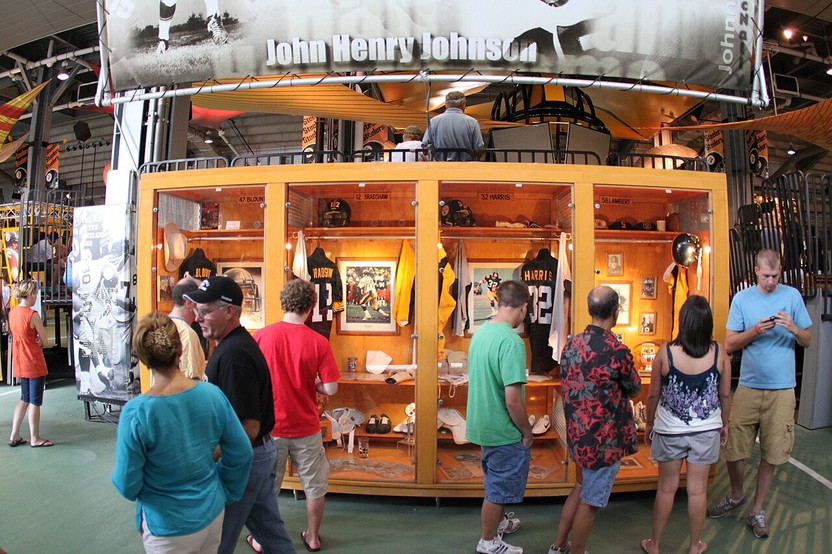
Best Steelers Players of All Time: Our Top 10
Posted by JerseyZenith on Oct 27th 2026
- Ten players ranked for on-field contribution at this franchise.
- Performance cutoff: the completed 2025 season; unfinished 2026 results and projections are excluded.
- Honors reviewed separately through October 27, 2026.
- Team years describe franchise tenure; reserve years are labeled. Numbers are documented representative team numbers, not an exhaustive uniform index.
Pittsburgh’s greatest careers include the Steel Curtain, the offensive line behind the early champions and stars of a later Super Bowl era. This order gives each position its own evidence, with no requirement that every player already belong to Canton.
Our top 10 at a glance
| Rank | Player | Position | Team years | Jersey number(s) | Franchise achievement |
|---|---|---|---|---|---|
| 1 | Joe Greene | DT | 1969–1981 | 75 | Two NFL Defensive Player of the Year awards; four title teams |
| 2 | Jack Lambert | LB | 1974–1984 | 58 | 1976 NFL Defensive Player of the Year; nine Pro Bowls |
| 3 | Rod Woodson | CB/Returner | 1987–1996 | 26 | 1993 NFL Defensive Player of the Year |
| 4 | Mel Blount | CB | 1970–1983 | 47 | 1975 NFL Defensive Player of the Year; 57 interceptions |
| 5 | Ben Roethlisberger | QB | 2004–2021 | 7 | 64,088 passing yards; two Pittsburgh Super Bowl victories |
| 6 | Jack Ham | LB | 1971–1982 | 59 | 32 interceptions; eight Pro Bowls |
| 7 | Mike Webster | C | 1974–1988 | 52 | 220 Pittsburgh games; nine Pro Bowls |
| 8 | Troy Polamalu | S | 2003–2014 | 43 | 2010 NFL Defensive Player of the Year; two Super Bowl wins |
| 9 | Franco Harris | RB | 1972–1983 | 32 | Super Bowl IX MVP; eight 1,000-yard Pittsburgh seasons |
| 10 | Terry Bradshaw | QB | 1970–1983 | 12 | Four Super Bowl victories; MVP of Super Bowls XIII and XIV |
How we ranked these players
The ranking criteria balance peak, longevity, position, era, All-Pro recognition and postseason contribution. Team success is shared; no numerical scoring formula is claimed.
A four-ring dynasty creates a difficult comparison: teammates shared the same championships while performing very different jobs. We count Greene’s interior influence, Lambert’s linebacker play, the blockers’ work and the offensive stars’ production separately. Later Steelers receive the same opportunity to compete, rather than being capped below the 1970s by nostalgia. Postseason contribution strengthens a case, but being listed on a championship roster is not the same as playing in its Super Bowl. That distinction matters particularly for injured players and developing starters.
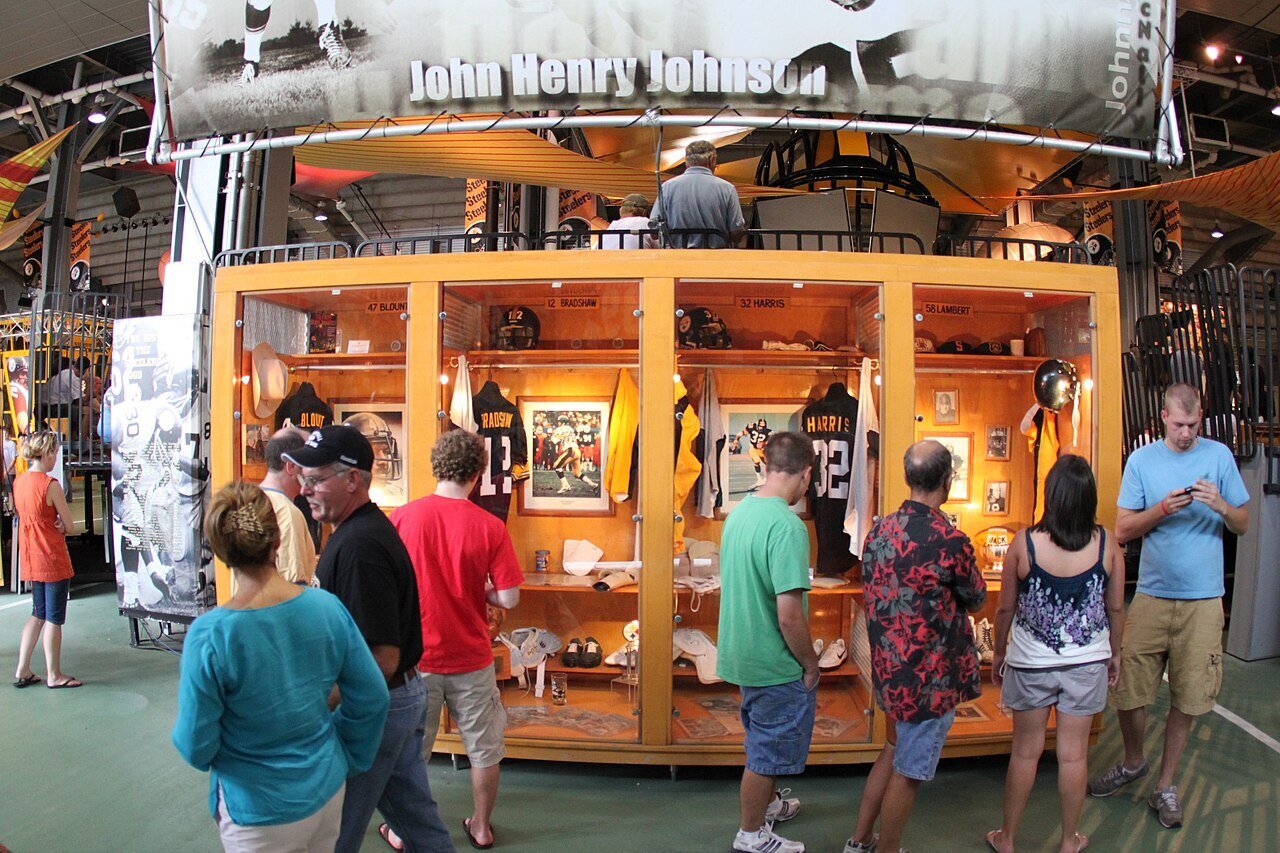

The 10 greatest Pittsburgh Steelers players
1. Joe Greene
Greene leads because Pittsburgh’s defensive transformation begins with his sustained excellence inside. Defensive Player of the Year awards in 1972 and 1974 establish the peak, while thirteen Steelers seasons and four championship teams supply longevity and postseason context. His importance is not reduced to a sack total, especially across the boundary before sacks became an official NFL statistic. Lambert provides the nearest challenge through linebacker excellence, but Greene’s foundational role and longer tenure win our comparison. He is assessed as a player, without adding later coaching success to his ranking.
2. Jack Lambert
Lambert ranks second through eleven Pittsburgh seasons of exceptional middle-linebacker play. His 1976 Defensive Player of the Year award anchors the peak, and nine Pro Bowls show how long that standard lasted. He contributed to the four-championship dynasty without receiving sole credit for a defense full of elite teammates. Greene’s longer foundational impact places him first. Lambert edges Woodson because his sustained Pittsburgh contribution included the dynasty’s full championship stretch, while recognizing that Woodson’s coverage and return responsibilities make a strong alternative case at a different position.
3. Rod Woodson
Woodson earns third for a Steelers peak that combined elite cornerback work with return value. The 1993 Defensive Player of the Year award establishes his standing beyond Pittsburgh, but his later Baltimore championship and safety achievements elsewhere are excluded. That franchise-only boundary matters for a player with a long second act. Lambert gets a narrow advantage for accumulated Pittsburgh postseason value, while Woodson’s individual peak and additional return responsibility place him above Blount. The comparison rewards versatility without confusing his full NFL interception total with the amount produced as a Steeler.
4. Mel Blount
Blount is fourth because fourteen Pittsburgh seasons joined a commanding cornerback peak to unusual longevity. His 57 interceptions all belong to the Steelers, and the 1975 Defensive Player of the Year award identifies a season of exceptional league-wide standing. He also adapted as coverage rules changed, rather than belonging only to one favorable moment. Woodson receives a slight advantage for broader return value; Blount’s longer Steelers career keeps that choice close. He stays above the quarterbacks here because repeated superiority at cornerback has independent value beyond how much attention an offense receives.
5. Ben Roethlisberger
Roethlisberger places fifth for eighteen seasons of Steelers quarterback value and two Super Bowl victories. His 64,088 passing yards describe the scale of the career, but we do not use that modern total to automatically defeat Bradshaw in a different passing era. Instead, the advantage comes from sustained offensive responsibility across a longer span. Blount’s stronger individual position-level peak keeps him above this spot. Roethlisberger remains ahead of the next group because his completed Pittsburgh career repeatedly supplied a central offensive contribution; no future Hall of Fame result is assumed.
6. Jack Ham
Ham ranks sixth because outstanding linebacker play includes coverage, anticipation and assignment reliability as well as visible collisions. His 32 interceptions and eight Pro Bowls support a long Pittsburgh case distinct from Lambert’s. He belonged to the four-championship era but missed Super Bowl XIV through injury, so this article does not give him an invented fourth appearance. Roethlisberger wins the adjacent comparison on longer offensive responsibility; Ham’s sustained defensive excellence puts him ahead of Webster by a narrow margin. That ordering reflects a judgment across roles, not a claim that one statistic measures both jobs.
7. Mike Webster
Webster is seventh for fifteen Steelers seasons of line play and a long stretch of recognition at center. His 220 Pittsburgh games and nine Pro Bowls provide a scale that highlight-driven lists can overlook. His later Kansas City service is excluded. He joined the team before becoming its full-time center, so championship membership is not treated as identical responsibility in every year. Ham receives the narrow advantage for his defensive peak; Webster stays above Polamalu because the longer Pittsburgh tenure supplies more accumulated franchise value at a demanding, less statistically visible position.
8. Troy Polamalu
Polamalu earns eighth because his safety play helped define a later championship defense rather than simply imitate the earlier dynasty. The 2010 Defensive Player of the Year award anchors his individual peak, while two Super Bowl victories provide postseason context. His late interception return in the 2008 AFC title game gives a specific example of decisive contribution. Webster’s longer line career wins the adjacent comparison. Polamalu ranks above Harris for exceptional position-level peak, though a list that gives greater weight to rushing longevity and championship-game production could choose the opposite order.
9. Franco Harris
Harris is ninth because his Pittsburgh contribution extends far beyond the Immaculate Reception. Eight 1,000-yard rushing seasons establish sustained production, and the Super Bowl IX MVP award supplies a major championship peak. His final Seattle season is excluded. Polamalu gets a narrow advantage for individual defensive dominance, while Harris edges Bradshaw on sustained excellence relative to his own position. Their shared championships cannot settle that comparison by themselves. Harris’s ranking recognizes both the famous play that changed a playoff game and the much larger career that followed it in Pittsburgh.
10. Terry Bradshaw
Bradshaw completes the ten with a postseason argument strong enough to challenge several players above him. Four Super Bowl victories and MVP awards in XIII and XIV identify direct championship contribution, not merely roster membership. His powerful passing became increasingly important as the offense evolved. We place him behind Harris and the higher defensive peaks because the criteria consider the whole career’s consistency alongside its best games. Roethlisberger gets the longevity advantage in their quarterback comparison. Bradshaw’s tenth place therefore reflects the franchise’s depth and our weighting, rather than a dismissal of his exceptional title-game record.
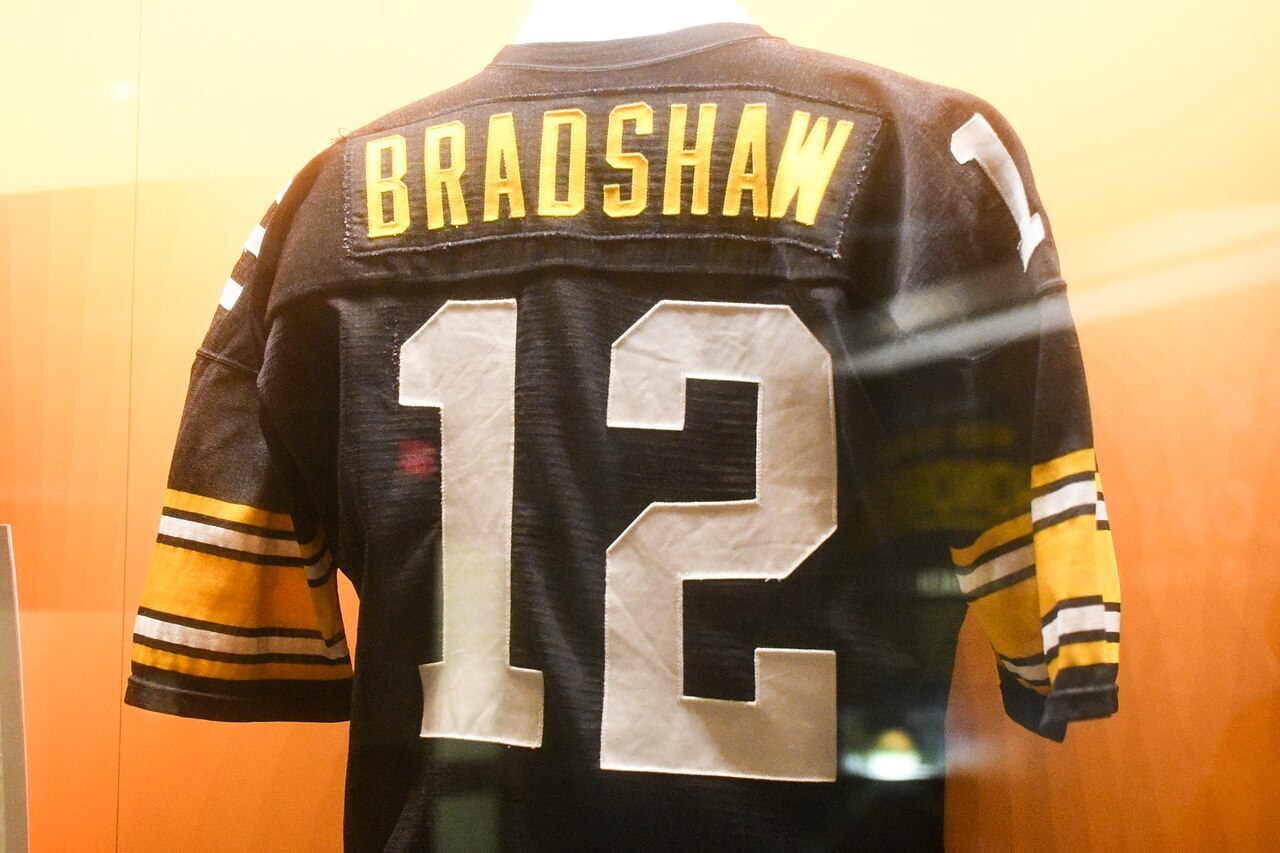

The best Steelers defensive players of all time
The best Steelers defensive players of all time here start with Greene, Lambert, Woodson and Mel Blount, with Jack Ham and Troy Polamalu also in the ten. Greene wins on foundation, peak and longevity together. Woodson’s coverage and return value give a different argument from the Steel Curtain linebackers. Polamalu represents a later defensive approach, rewarded for completed achievements rather than the visual excitement of a highlight alone. Pre-1982 sack figures are not treated as official totals interchangeable with modern NFL sack records.
Wear their legacy
Greene’s 75, Lambert’s 58 and Harris’s 32 connect a jersey choice to the dynasty, while Polamalu’s 43 and Roethlisberger’s 7 point toward later championship teams. A shared team color does not establish that two editions use the same historical design. Compare the name, number and stated era together, and distinguish a modern tribute garment from an original uniform or a player-worn artifact.
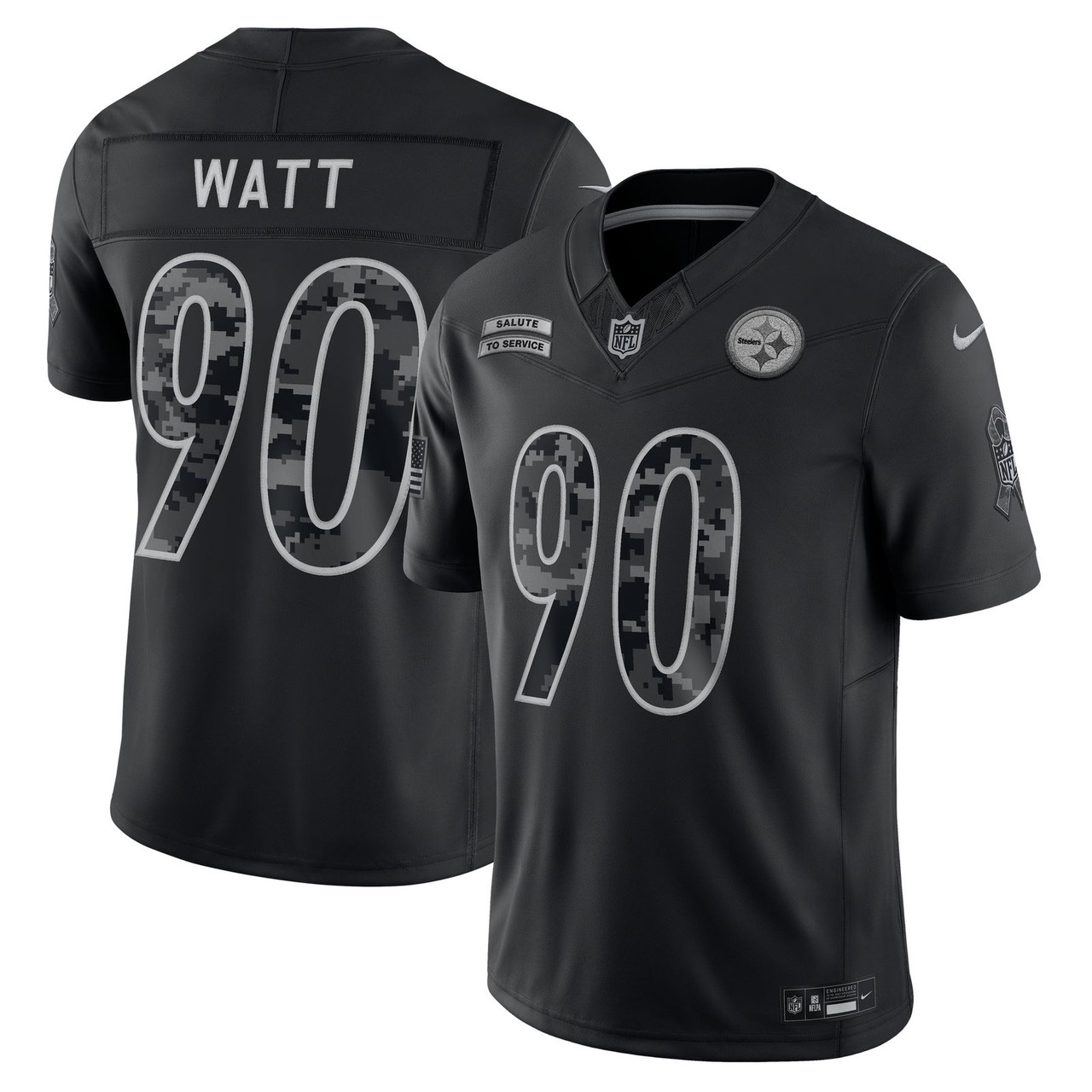
Compare the Steelers throwback jersey collection with the legends jersey hub. Ranking position does not imply every player’s jersey is stocked; verify the individual listing.
The Pittsburgh Steelers jersey numbers guide covers recognition and number policy. A modern Nike edition can honor a legacy without reproducing historical construction.
Frequently asked questions
Why is Joe Greene first among the best Steelers players of all time?
Greene combines thirteen Pittsburgh seasons, two Defensive Player of the Year awards and a foundational role on four Super Bowl champions. His case remains strong when individual peak, longevity and postseason contribution are evaluated together rather than separately.
Why is Ben Roethlisberger above Terry Bradshaw?
We give Roethlisberger the advantage for eighteen seasons of offensive responsibility and sustained passing value across a changing era. Bradshaw has four championships and two Super Bowl MVP awards. A list that gives more weight to title-game peak could reasonably reverse them.
Are the Steelers’ best players of all time chosen by Hall status?
No. They are separate honors with separate standards. The ranking uses Steelers playing contribution, including Roethlisberger’s completed career, without anticipating future Canton results. Honors are checked through October 27, 2026; the performance boundary is the completed 2025 season.
Did Jack Ham play in all four dynasty Super Bowls?
No. Ham was part of the four-championship era, but injury kept him out of Super Bowl XIV. His playing case includes his actual postseason work and long defensive excellence; it does not invent an appearance in that game.
Sources
- Official career profile: Joe Greene
- Official career profile: Jack Lambert
- Official career profile: Rod Woodson
- Official career profile: Mel Blount
- Official career profile: Ben Roethlisberger
- Official career profile: Jack Ham
- Official career profile: Mike Webster
- Official career profile: Troy Polamalu
- Official career profile: Franco Harris
- Official career profile: Terry Bradshaw
- Canton jersey-number index: representative numbers
- Steelers official historical jersey numbers
- Steelers career passing record