
Best Eagles Players Of All Time: Our Top 10
Posted by JerseyZenith on Oct 27th 2026
- Ten players, ranked by franchise-only performance across positions and eras.
- Performance cutoff: the completed 2025 season; no unfinished 2026 statistics or projected achievements.
- Canton and other honors reviewed separately through October 27, 2026.
- Jersey numbers identify documented use at this franchise; team years distinguish active and reserve status where relevant.
Philadelphia’s greatest careers span two-way championship football, dominant defenses and modern offensive lines. The order below makes those competing kinds of value explicit, with one franchise standard applied across the eras.
Our top 10 at a glance: rank, position and franchise achievement
| Rank | Player | Position | Team years | Jersey number(s) | Franchise achievement |
|---|---|---|---|---|---|
| 1 | Reggie White | DE | 1985–1992 | 91, 92 | 124 Eagles sacks; 1987 AP Defensive Player of the Year; 1987–1988 NFL sack titles |
| 2 | Chuck Bednarik | C/LB | 1949–1962 | 60 | Two Eagles NFL championships, 1949 and 1960 |
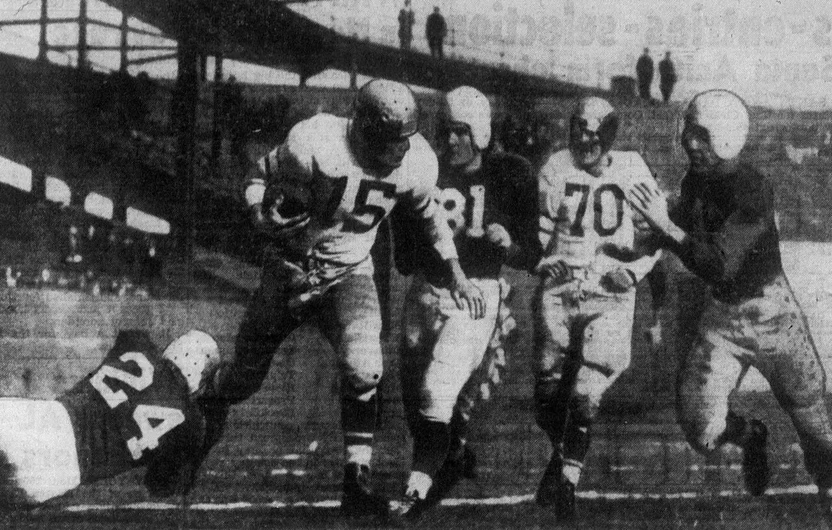
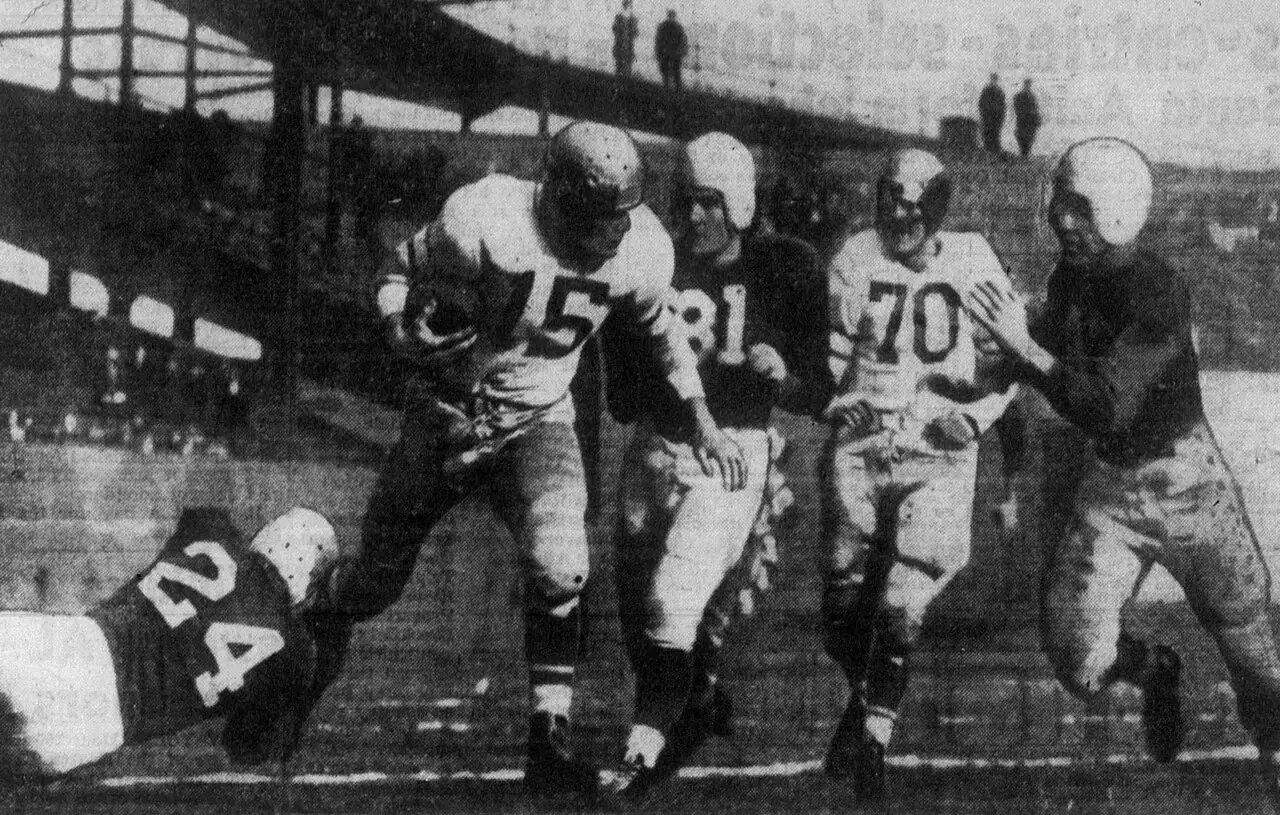
| 3 | Steve Van Buren | HB | 1944–1951 | 15 | Four NFL rushing titles; 1948 and 1949 championships |
| 4 | Brian Dawkins | S | 1996–2008 | 20 | Four AP first-team All-Pro seasons with Philadelphia |
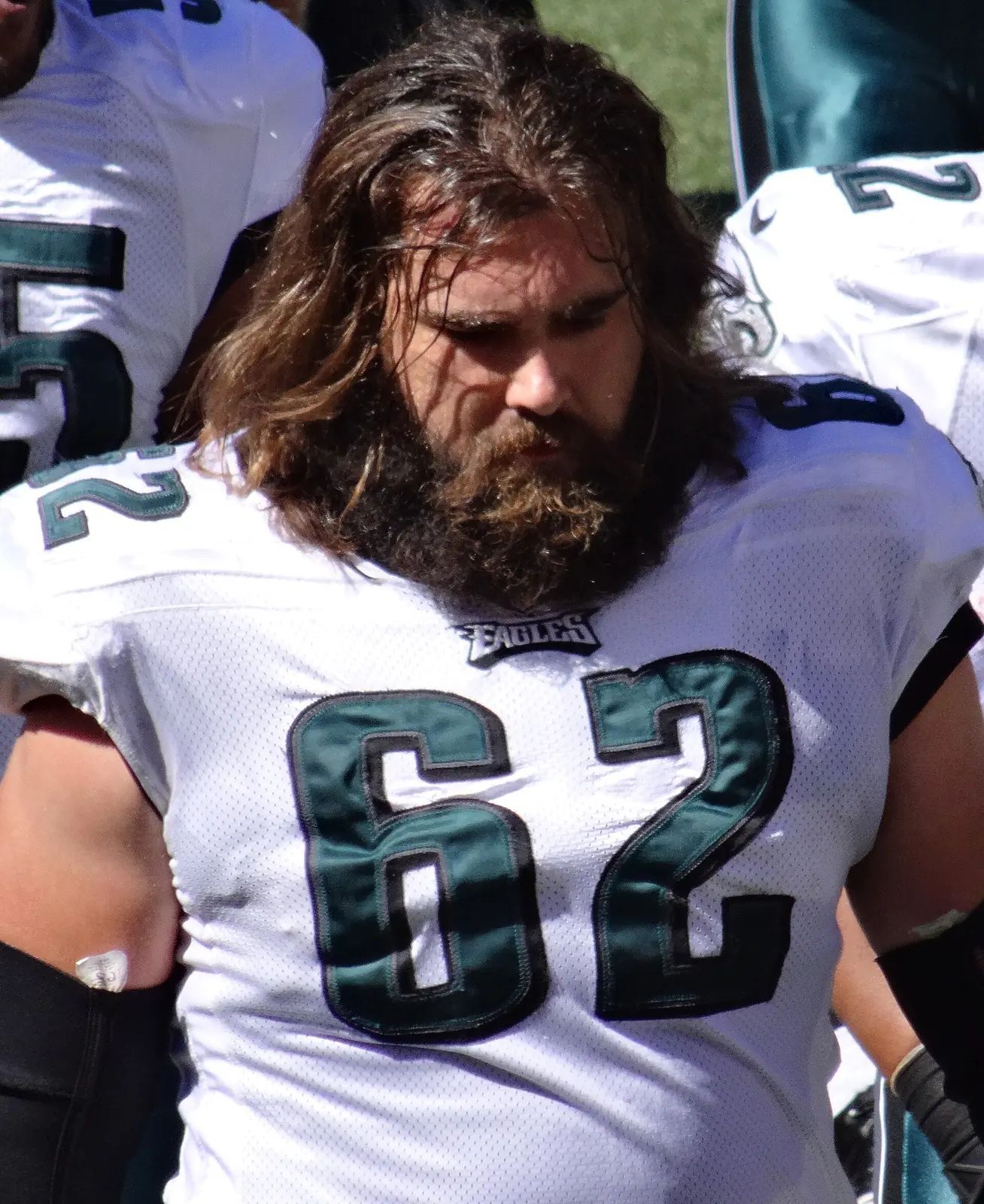
| 5 | Jason Kelce | C | 2011–2023 | 62 | Six AP first-team All-Pro selections; Super Bowl LII champion |
| 6 | Pete Pihos | E | 1947–1955 | 35 | Three consecutive NFL receptions titles, 1953–1955 |
| 7 | Harold Carmichael | WR | 1971–1983 | 17 | 589 catches and 8,978 receiving yards for Philadelphia |
| 8 | Donovan McNabb | QB | 1999–2009 | 5 | Five NFC Championship Game appearances; Super Bowl XXXIX berth |
| 9 | Tommy McDonald | WR | 1957–1963 | 25 | 1960 NFL champion; NFL receiving-yardage leader in 1961 |
| 10 | Jason Peters | OT | 2009–2020 | 71 | Two AP first-team All-Pro selections as an Eagle |
How we ranked these players
Our criteria are peak relative to the player’s era and position, sustained franchise value, individual honors and postseason contribution. Legacy helps explain a close decision; it does not replace the playing record. The ranking is editorial judgment, with no invented point totals or claim of official Eagles endorsement.
A two-way player such as Bednarik cannot be assessed only by modern defensive statistics. Pihos and Van Buren played shorter schedules, while Kelce and Peters supplied value that rarely appears in a skill-position box score. We compare dominance within those circumstances and then weigh the length of the Eagles tenure. Championships help, but players do not receive another franchise’s rings or awards. All playing comparisons stop after 2025; Hall of Fame status is checked separately as of October 27, 2026.
The 10 greatest Philadelphia Eagles players
1. Reggie White
White gets the narrow edge because his Philadelphia peak combined overwhelming pass-rush production with sustained dominance at a premium defensive position. His 124 Eagles sacks came before his championship years in Green Bay, so those Packers achievements add nothing to this ranking. The 1987 AP Defensive Player of the Year award and consecutive NFL sack titles establish the central argument: he repeatedly outperformed his own contemporaries. Bednarik offers longer service and Eagles titles; White wins this comparison on the extraordinary level of his best seasons.
2. Chuck Bednarik
Bednarik represents a different kind of value: a career spanning fourteen Philadelphia seasons and major responsibility on both sides of the ball. He belonged to the 1949 and 1960 championship teams, giving him a franchise title connection that White lacks. We place him second because exceptional two-way influence and longevity nearly offset White’s more concentrated defensive peak. His importance cannot be reduced to one celebrated tackle. Comparing his workload with a modern specialist requires recognition of substitution rules and the demands of his era.
3. Steve Van Buren
Van Buren’s case begins with how far he stood above other runners in the league he actually played in. Four rushing titles and back-to-back Philadelphia championships make him much more than a distant historical name. His production came in shorter schedules and a very different offensive environment, so a raw-yardage contest with modern backs would be misleading. He ranks ahead of later Eagles stars because his position-level dominance directly supported the franchise’s first championship period. The shorter career keeps him behind Bednarik.
4. Brian Dawkins
Dawkins combined coverage, pressure and physical run support over thirteen Eagles seasons. His four AP first-team All-Pro selections in Philadelphia give the emotional leadership story a substantial performance foundation. We reward the way he helped connect a defense across changing personnel during repeated deep playoff runs. His later Denver seasons are excluded. He trails the first three because their historical peaks or championship contributions create a slightly stronger overall case, but his combination of longevity and defensive range puts him above the remaining modern candidates.
5. Jason Kelce
Kelce’s six AP first-team All-Pro selections are the strongest reason to look beyond the normal visibility disadvantage of a center. All thirteen playing seasons belonged to Philadelphia, and his mobility helped define the offensive line’s approach rather than merely fitting into it. Super Bowl LII adds postseason substance without becoming the whole argument. We place him fifth because his sustained standing among contemporary centers compares favorably with celebrated skill-position careers. Retirement speeches and popularity reinforce his legacy, but neither supplies a ranking criterion.
6. Pete Pihos
Pihos bridges the championship teams of the late 1940s and the statistical dominance of the mid-1950s. Leading the NFL in receptions in three straight seasons gives him a rare stretch of position-level superiority. His two-way background also matters when comparing workloads across eras. We give him a slight advantage over Carmichael because those league-leading peaks were unusually concentrated and decisive. Carmichael’s much longer Philadelphia career makes the comparison close. Modern receiving totals alone would obscure what Pihos achieved against the competition and rules of his time.
7. Harold Carmichael
Carmichael supplied an unusually durable receiving standard across thirteen Philadelphia seasons. His 589 Eagles receptions and 8,978 yards establish the franchise value without importing the brief Dallas stop at the end of his career. He also connects individual production with the team that reached Super Bowl XV. Pihos wins their comparison on repeated league-leading peaks; Carmichael answers with sustained usefulness and a longer record of service. That tradeoff puts him seventh here, with a reasonable case to move higher if longevity receives the greatest weight.
8. Donovan McNabb
McNabb’s placement recognizes an extended run of quarterback value rather than a single defining game. He helped Philadelphia reach five NFC Championship Games and Super Bowl XXXIX during eleven seasons with the franchise. His passing and rushing stressed defenses in different ways, and the repeated postseason appearances matter even without a championship win. We keep him below the most dominant position-level performers, while still rewarding the difficulty of sustaining an offense at quarterback. Neither his later teams nor arguments about his public reception change that football assessment.
9. Tommy McDonald
McDonald brought an explosive receiving element to the 1960 champions and followed it with an NFL receiving-yardage title in 1961. That combination of a high individual peak and direct championship contribution earns him a place despite a shorter Eagles tenure than Carmichael or McNabb. His production with later clubs is not part of the calculation. We rank him ninth because the best Philadelphia seasons compare well with his era’s receivers, while the smaller body of work limits how far he can climb in a franchise-only comparison.
10. Jason Peters
Peters completes the list because outstanding tackle play deserves recognition alongside the more visible offensive names. His two AP first-team All-Pro selections as an Eagle support a long Philadelphia tenure built around protecting the passing game and anchoring the line. The missed 2017 postseason through injury means he does not receive the same on-field Super Bowl LII credit as Kelce. His Buffalo honors are also excluded. The result rewards high-level Eagles performance while leaving room for debate with other long-serving offensive and defensive stars.
Wear their legacy
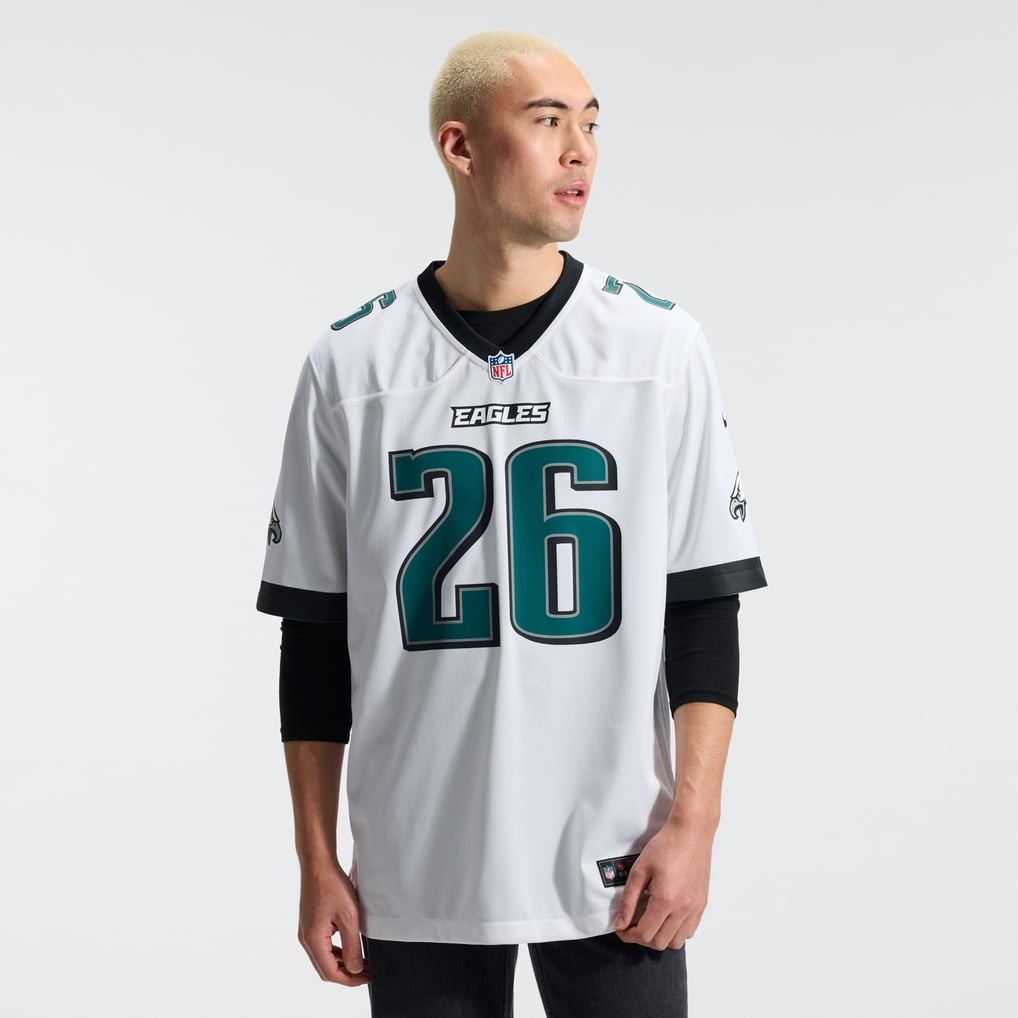
White and Bednarik connect a jersey choice to very different Philadelphia eras: a dominant pass rusher and a two-way champion. The Eagles away collection provides a team-style starting point, while the legends jersey hub helps compare historical names across teams. Neither link promises a product for every player ranked here.
For a modern Nike style, inspect the actual product’s name, number and design details. A current jersey carrying a historic number does not automatically reproduce the fabric, striping or cut of an earlier uniform. Use the Eagles jersey numbers guide for retired numbers and recognition rules, and the Eagles Hall of Famers guide for Canton membership.
Frequently asked questions
Who is the greatest Eagles player in this ranking?
Reggie White is our first choice because of his extraordinary Philadelphia pass-rushing peak. Chuck Bednarik has a strong alternative case through longer Eagles service, two-way responsibility and two franchise championships. The ordering expresses the criteria rather than an official team vote.
Does this cover the best Philadelphia Eagles players of all time across every era?
Yes. The comparison includes pre-Super Bowl football and modern careers, with achievements assessed against the player’s own era and position. It does not assume that newer totals automatically outweigh older league-leading seasons.
Why are Kelce and Peters included without using Canton membership as a filter?
This is a comparison of playing contributions, so a player does not have to be enshrined to qualify. Hall membership answers a separate question with eligibility rules and induction dates.
Can a recent player enter the list later?
Yes. Additional completed seasons can change the balance of peak and longevity. This edition includes performance through 2025 and makes no prediction about the rest of 2026 or any future career.
Sources
- Eagles official retired numbers and franchise careers
- Jason Kelce official retirement record, March 2024
- Donovan McNabb Eagles Hall biography
- Canton profile: Reggie White
- Canton profile: Chuck Bednarik
- Canton profile: Steve Van Buren
- Canton profile: Brian Dawkins
- Canton profile: Pete Pihos
- Canton profile: Harold Carmichael
- Canton profile: Tommy McDonald
- Official 2025 Philadelphia Eagles media guide: franchise careers, numbers and records
- Pete Pihos official Eagles year-by-year receiving record
- Jason Peters Eagles first-team All-Pro years
- AP award report: White’s 1998 Green Bay award and prior 1987 Philadelphia award
Sources checked October 27, 2026. Performance comparisons stop at the completed 2025 season; Canton membership reflects completed induction classes through 2026.