
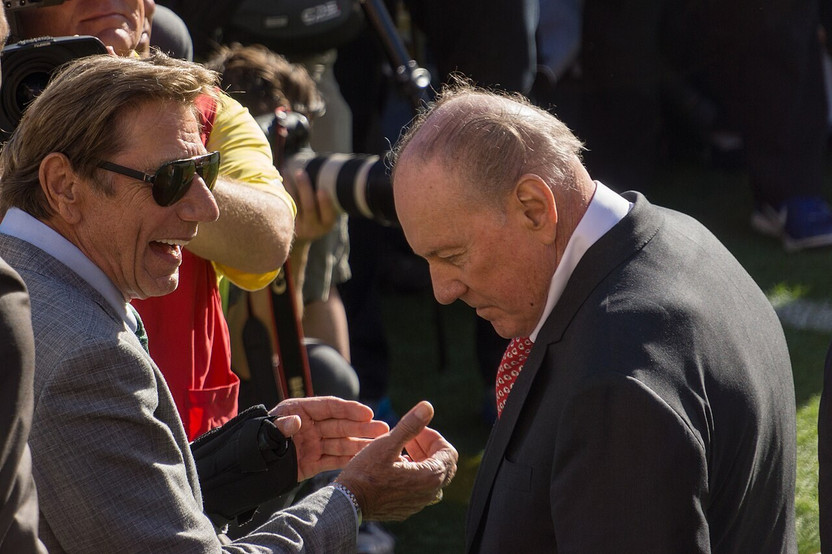
Best Jets Players of All Time: Our Top 10
Posted by JerseyZenith on Oct 27th 2026
- Ten players ranked for on-field contribution at this franchise.
- Performance cutoff: the completed 2025 season; unfinished 2026 results and projections are excluded.
- Honors reviewed separately through October 27, 2026.
- Team years describe franchise tenure; reserve years are labeled. Numbers are documented representative team numbers, not an exhaustive uniform index.
The Jets’ history begins with the AFL’s New York Titans, continues through Super Bowl III and reaches the Sack Exchange and later playoff defenses. This ranking compares those careers without borrowing achievements earned for other franchises.
Our top 10 at a glance
| Rank | Player | Position | Team years | Jersey number(s) | Franchise achievement |
|---|---|---|---|---|---|
| 1 | Darrelle Revis | CB | 2007–2012; 2015–2016 | 24 | Three consecutive Jets first-team All-Pro seasons, 2009–2011 |
| 2 | Joe Namath | QB | 1965–1976 | 12 | Super Bowl III MVP; first 4,000-yard passer in 1967 |
| 3 | Don Maynard | WR | 1960–1972 | 13 | Two TD catches in the 1968 AFL Championship Game |
| 4 | Curtis Martin | RB | 1998–2006; 2006 PUP, no games | 28 | 2004 NFL rushing champion with 1,697 yards |
| 5 | Joe Klecko | DE/DT/NT | 1977–1987 | 73 | Pro Bowl selections at end, tackle and nose tackle |
| 6 | Winston Hill | T | 1963–1976 | 75 | Eight AFL All-Star/Pro Bowl selections; Super Bowl III starter |
| 7 | Kevin Mawae | C | 1998–2005 | 68 | Eight Jets seasons; blocker for Martin’s 2004 rushing title |
| 8 | Mark Gastineau | DE | 1979–1988 | 99 | 22 sacks in 1984, an NFL single-season record at the time |
| 9 | Larry Grantham | LB | 1960–1972 | 60 | Five AFL All-Star selections; linebacker on Super Bowl III champions |
| 10 | Freeman McNeil | RB | 1981–1992 | 24 | 8,074 rushing yards in twelve Jets seasons |
How we ranked these players
The ranking criteria balance peak, longevity, position, era, All-Pro recognition and postseason contribution. Team success is shared; no numerical scoring formula is claimed.
New York’s AFL Titans and the Jets are the same franchise under different names; Tennessee’s Titans are a separate organization. That distinction allows Maynard and Grantham’s early seasons to count correctly. We compare players against their contemporary position first, then weigh franchise tenure and postseason contribution. A Super Bowl victory can strengthen a career without automatically making its quarterback the best player in every comparison. Conversely, a defender’s championship elsewhere cannot be imported to improve his New York placement.
The 10 greatest New York Jets players
1. Darrelle Revis
Revis takes first because his best New York coverage years offer the strongest position-level peak in this comparison. Three consecutive first-team All-Pro seasons from 2009 through 2011 establish repeated dominance, while the playoff defenses give the work meaningful team context. His later return also counts. The Super Bowl victory with New England is excluded, as is his 2014 All-Pro season there. Namath has the greater championship legacy, but Revis wins our narrow judgment through superiority at cornerback. It is an editorial choice based on Jets performance, not an official franchise designation.
2. Joe Namath
Namath ranks second because his Jets playing record extends beyond a famous guarantee. The first 4,000-yard passing season in 1967 demonstrates a major peak in the AFL environment, and the Super Bowl III MVP award identifies direct championship contribution. His final Rams season is excluded. Revis gets a narrow advantage for sustained superiority at his position, while Namath’s offensive responsibility and defining postseason achievement keep him ahead of Maynard. We do not compare his interception totals with a modern passing environment as though rules, strategy and opportunities were unchanged.

3. Don Maynard
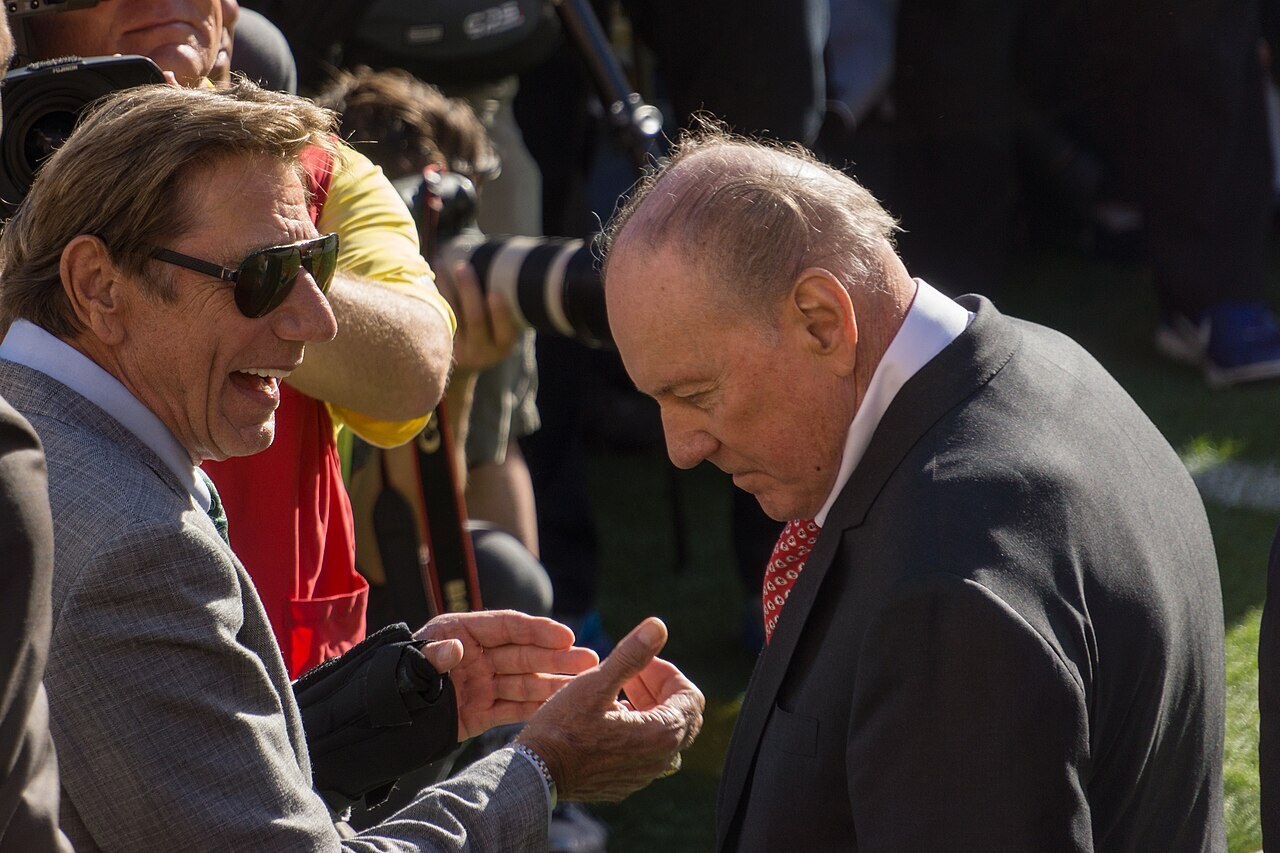
Maynard earns third because thirteen seasons connect the struggling New York Titans to the championship Jets. His two touchdown catches in the 1968 AFL Championship Game provide a concrete postseason contribution before Super Bowl III. Those early Titans seasons belong to this franchise; later service elsewhere does not. Namath gets the narrow advantage for offensive command and the title-game peak. Maynard stays above Martin because his sustained receiving value and central championship-era work offer a stronger combined case. That judgment credits a complete New York career rather than only his partnership with one quarterback.
4. Curtis Martin
Martin is fourth through consistent New York rushing value, highlighted by the 1,697-yard season that won the NFL rushing title in 2004. His Patriots seasons are excluded, and the team’s tenure through 2006 includes a PUP year with no games rather than an additional rushing season. Maynard’s championship-era contribution breaks their close comparison. Martin ranks above Klecko because repeated offensive production across his Jets playing years supplies a slightly stronger accumulated case. The placement rewards durability without treating carries alone as proof of greater value than a defender’s less visible responsibilities.
5. Joe Klecko
Klecko ranks fifth because New York received high-level play across three defensive-line positions, an unusual form of versatility. Pro Bowl recognition at end, tackle and nose tackle supports that assessment beyond Sack Exchange nostalgia. His Colts season is excluded. Martin wins the adjacent comparison on accumulated offensive contribution, while Klecko’s defensive peak keeps him ahead of Hill. His 1981 sack production predates the official NFL statistic, and his Defensive Player of the Year honor that year came from UPI rather than AP. Those distinctions prevent an inflated or mislabeled award case.
6. Winston Hill
Hill earns sixth because fourteen New York seasons supplied durable tackle play across both sides of the line. Eight AFL All-Star or Pro Bowl selections establish sustained individual standing, while his Super Bowl III start gives the case direct championship context. His final Rams season does not count. Klecko receives a narrow edge for his defensive peak and versatility; Hill’s longer Jets tenure keeps the comparison close. He stays above Mawae because New York received more seasons of excellent line play, rather than because the championship automatically settles every comparison between blockers.
7. Kevin Mawae
Mawae is seventh for the quality of his eight-season Jets center career. He helped the 1998 team reach the AFC Championship Game and blocked through Martin’s 2004 rushing-title season. Seattle and Tennessee achievements are excluded, an important restriction for a player whose later career also brought major recognition. Hill wins their comparison through longer New York service and championship contribution. Mawae stays above Gastineau because sustained line excellence across a demanding central role earns a slight advantage over the more concentrated pass-rushing peak. That is a qualitative judgment, not a manufactured statistical formula.
8. Mark Gastineau
Gastineau places eighth because his pass-rushing peak gave the Sack Exchange a game-changing edge. His 22 sacks in 1984 set the official NFL single-season record at the time; that historical distinction does not claim he still owns it. His entire NFL playing career was with New York. Mawae receives the slight advantage for sustained central line work, while Gastineau’s extraordinary best seasons keep the comparison close. Grantham has the longer tenure below him, but the concentration of elite pass-rushing production wins this particular peak-versus-longevity decision in our order.
9. Larry Grantham
Grantham is ninth for thirteen seasons of linebacker contribution beginning with the AFL’s New York Titans. Five AFL All-Star selections support the contemporary standing, and his work on the championship team adds postseason value. The franchise continuity is important: those early seasons are Jets history, not Tennessee history. Gastineau gets a narrow peak advantage; Grantham’s longer service keeps the choice close. He earns his place ahead of McNeil through the combination of sustained defensive responsibility and championship contribution, without needing Canton membership as a prerequisite for inclusion in this editorial ten.
10. Freeman McNeil
McNeil completes the ranking through twelve seasons entirely with New York and 8,074 rushing yards. That sustained contribution gives him a strong case even without the first-place rushing peak of Martin’s Jets career. Grantham wins the adjacent comparison for his defensive responsibility and championship context, while McNeil earns the final place through longevity and productive running across a substantial franchise period. Number 24 identifies his Jets uniform as well as Revis’s later one, illustrating why a historical jersey discussion needs the player’s name and era rather than the number alone.
The best Jets defensive players of all time
The best Jets defensive players of all time in this ranking begin with Revis and Joe Klecko, with Mark Gastineau and Larry Grantham also selected. Revis has the strongest coverage peak; Klecko supplies unusual value across three line positions; Gastineau brings concentrated pass-rushing production; Grantham connects the earliest AFL seasons to the championship team. Pre-1982 sacks require a separate label because they were not yet an official NFL statistic. A team historical total and an official-era total can both be useful without being interchangeable.
Wear their legacy
Namath’s 12 and Maynard’s 13 point toward the AFL champions, while Klecko’s 73 and Gastineau’s 99 recall the Sack Exchange. Revis and McNeil both wore 24 for New York, so the name and intended era matter as much as the number. Compare the product’s specific design and description when choosing a tribute, especially where a modern edition uses details from a later team identity.
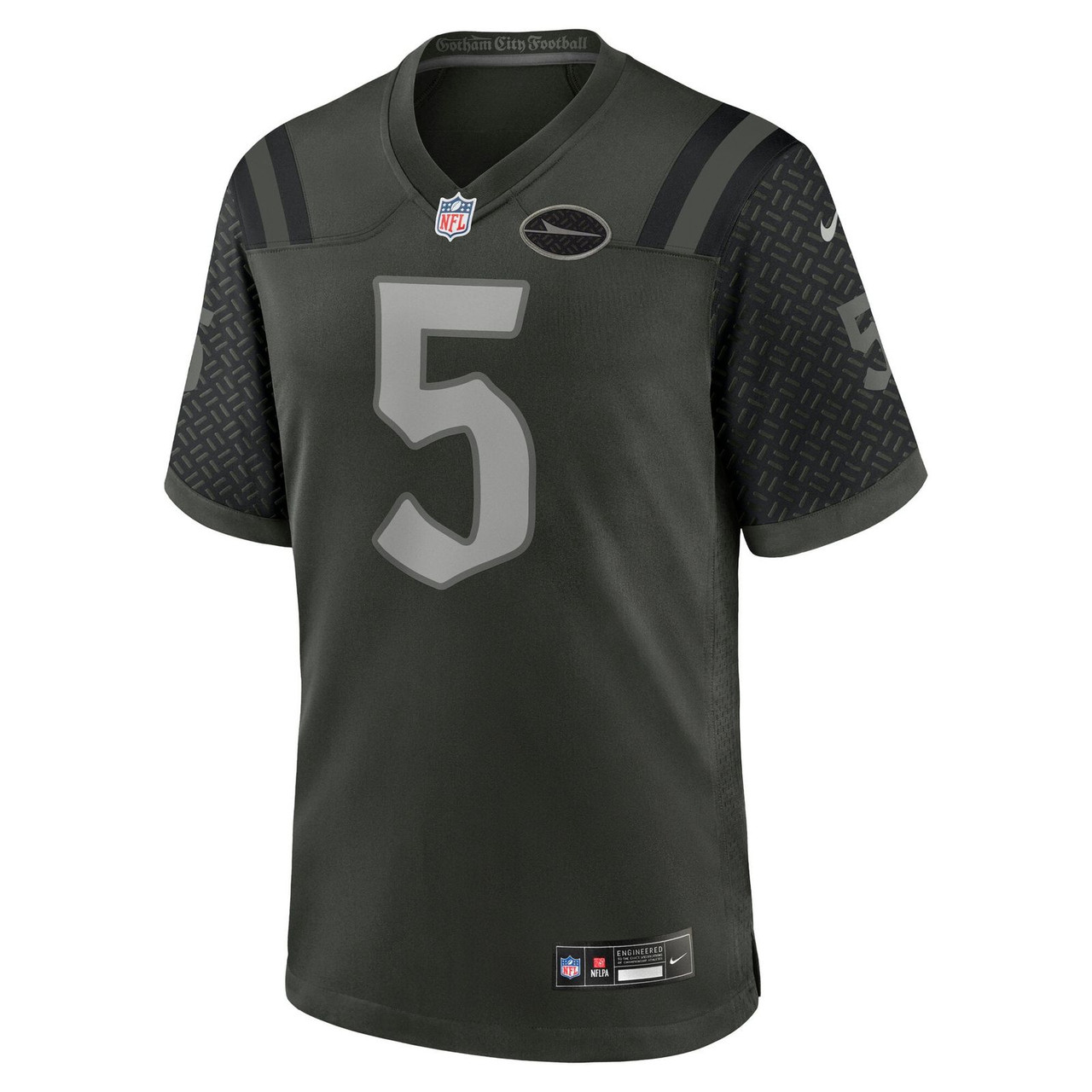
Compare the Jets throwback jersey collection with the legends jersey hub. Ranking position does not imply every player’s jersey is stocked; verify the individual listing.
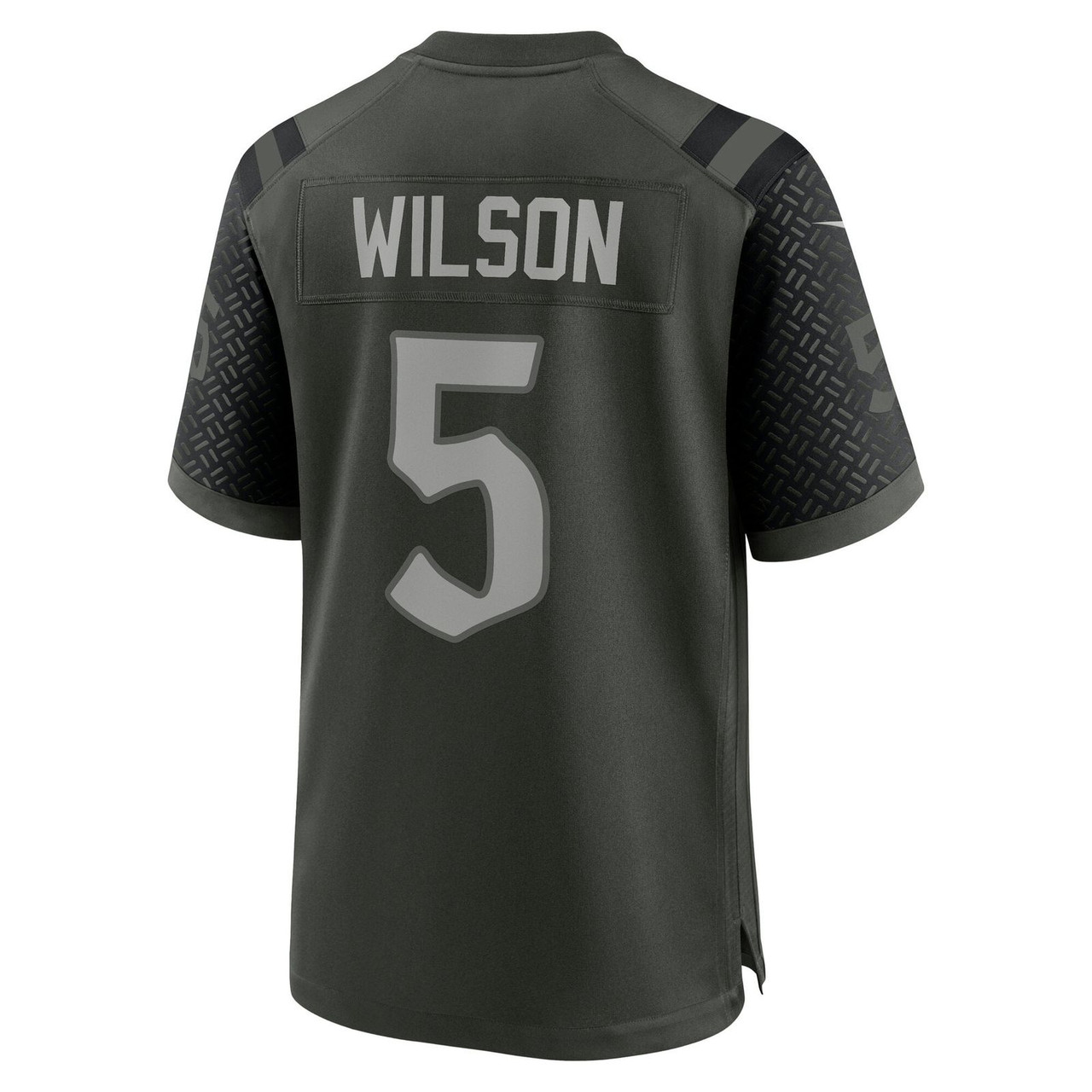
The New York Jets jersey numbers guide covers recognition and number policy. A modern Nike edition can honor a legacy without reproducing historical construction.
Frequently asked questions
Why does Revis lead our order of the Jets’ best players of all time?
His New York coverage peak, including three consecutive first-team All-Pro seasons from 2009 through 2011, wins our position-level comparison. Namath’s championship argument makes first place close. Revis receives no credit here for his Super Bowl victory with New England.
Do New York Titans seasons count?
Yes. The AFL New York Titans became the Jets in 1963, so Maynard and Grantham’s 1960–1962 service belongs to this franchise. They are not the Tennessee Titans, and no Tennessee or Houston Oilers record is added to the Jets’ history.
Why are two sack totals sometimes shown for Gastineau?
The Jets’ historical total includes seasons before sacks became an official NFL statistic in 1982. His official-era career total is smaller. This article uses his 22 sacks in 1984 as the ranking-table achievement and explains the counting boundary rather than mixing the two systems.
Does Curtis Martin’s tenure include 2006?
The team’s service listing includes 2006, when he did not appear in games while on the physically unable to perform list. His Jets playing seasons were 1998–2005. That distinction preserves the team’s tenure convention without adding another season of rushing production.
Sources
- Official career profile: Darrelle Revis
- Official career profile: Joe Namath
- Official career profile: Don Maynard
- Official career profile: Curtis Martin
- Official career profile: Joe Klecko
- Official career profile: Winston Hill
- Official career profile: Kevin Mawae
- Official career profile: Mark Gastineau
- Official career profile: Larry Grantham
- Official career profile: Freeman McNeil
- Canton jersey-number index: representative numbers
- Jets official career rushing leaders and numbers
- Jets historical and official-era sack totals
- Jets Kevin Mawae profile and number 68
- Jets 2006 Curtis Martin PUP transaction
- Canton 2025 media guide: jersey-number register