
Best Broncos Players Of All Time: Our Top 10
Posted by JerseyZenith on Oct 27th 2026
- Ten players, ranked by franchise-only performance across positions and eras.
- Performance cutoff: the completed 2025 season; no unfinished 2026 statistics or projected achievements.
- Canton and other honors reviewed separately through October 27, 2026.
- Jersey numbers identify documented use at this franchise; team years distinguish active and reserve status where relevant.
Denver’s strongest candidates range from a foundational running back to championship quarterbacks and dominant defenders. Each place below explains the tradeoff, especially where a short extraordinary peak competes with a long record of service.
Our top 10 at a glance: rank, position and franchise achievement
| Rank | Player | Position | Team years | Jersey number(s) | Franchise achievement |
|---|---|---|---|---|---|
| 1 | John Elway | QB | 1983–1998 | 7 | Five Super Bowl appearances and two championships as Denver quarterback |
| 2 | Terrell Davis | RB | 1995–2001 active; 2002 reserve | 30 | 1998 AP MVP; Super Bowl XXXII MVP; 2,008 rushing yards in 1998 |
| 3 | Von Miller | LB | 2011–2021 | 58 | Super Bowl 50 MVP; 110.5 Denver sacks |
| 4 | Champ Bailey | CB | 2004–2013 | 24 | Eight Pro Bowls as a Bronco |
| 5 | Shannon Sharpe | TE | 1990–1999; 2002–2003 | 84 | Two Denver Super Bowl titles; four AP first-team All-Pro selections |
| 6 | Randy Gradishar | LB | 1974–1983 | 53 | 1978 AP Defensive Player of the Year; Super Bowl XII berth |
| 7 | Gary Zimmerman | OT | 1993–1997 | 65 | Denver left tackle on the Super Bowl XXXII championship team |
| 8 | Peyton Manning | QB | 2012–2015 | 18 | 2013 AP MVP; 55 touchdown passes in 2013; Super Bowl 50 champion |
| 9 | Rod Smith | WR | 1995–2006 active | 80 | 849 catches and 11,389 receiving yards, all as a Bronco |
| 10 | Floyd Little | RB | 1967–1975 | 44 | 1971 NFL rushing champion |
How we ranked these players
We use peak relative to the same era and position, sustained Denver value, individual achievement and postseason contribution as the ranking criteria. Cross-position comparisons require judgment: tackle play rarely creates a familiar box score, and a cornerback’s value can include passes directed elsewhere. Legacy clarifies those decisions without serving as a substitute for performance.
The official Top 100 Team was selected in 2019 and remains a dated franchise reference. It does not automatically incorporate later completed seasons or later Hall honors. Our review stops at the end of 2025 for playing achievements, with Canton status checked through October 27, 2026. Miller’s later teams, Manning’s Indianapolis résumé and Zimmerman’s Minnesota honors are excluded. We also distinguish active playing years from reserve seasons. The resulting order is independent editorial work, with no manufactured score or claim that the Broncos officially endorsed these ten positions.
The 10 greatest Denver Broncos players
1. John Elway
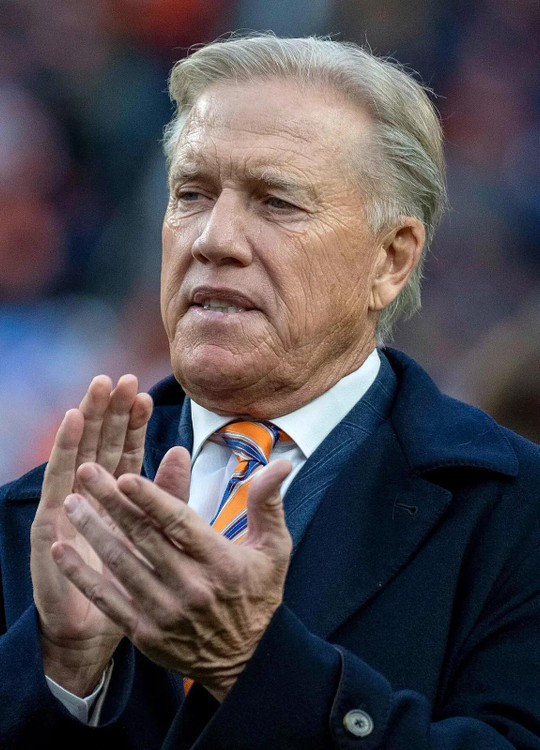
Elway leads because Denver received sixteen seasons of unusually high quarterback value across very different teams. Five Super Bowl appearances and two championships supply the postseason framework, while the 1987 AP MVP award gives his individual peak a clear marker. The later executive role is excluded from this player ranking. He stays ahead of Davis and Miller because the sustained franchise contribution is much longer, even though each challenger owns an exceptional championship peak. No single comeback defines the case; it is the repeated ability to keep Denver competitive across eras.
2. Terrell Davis
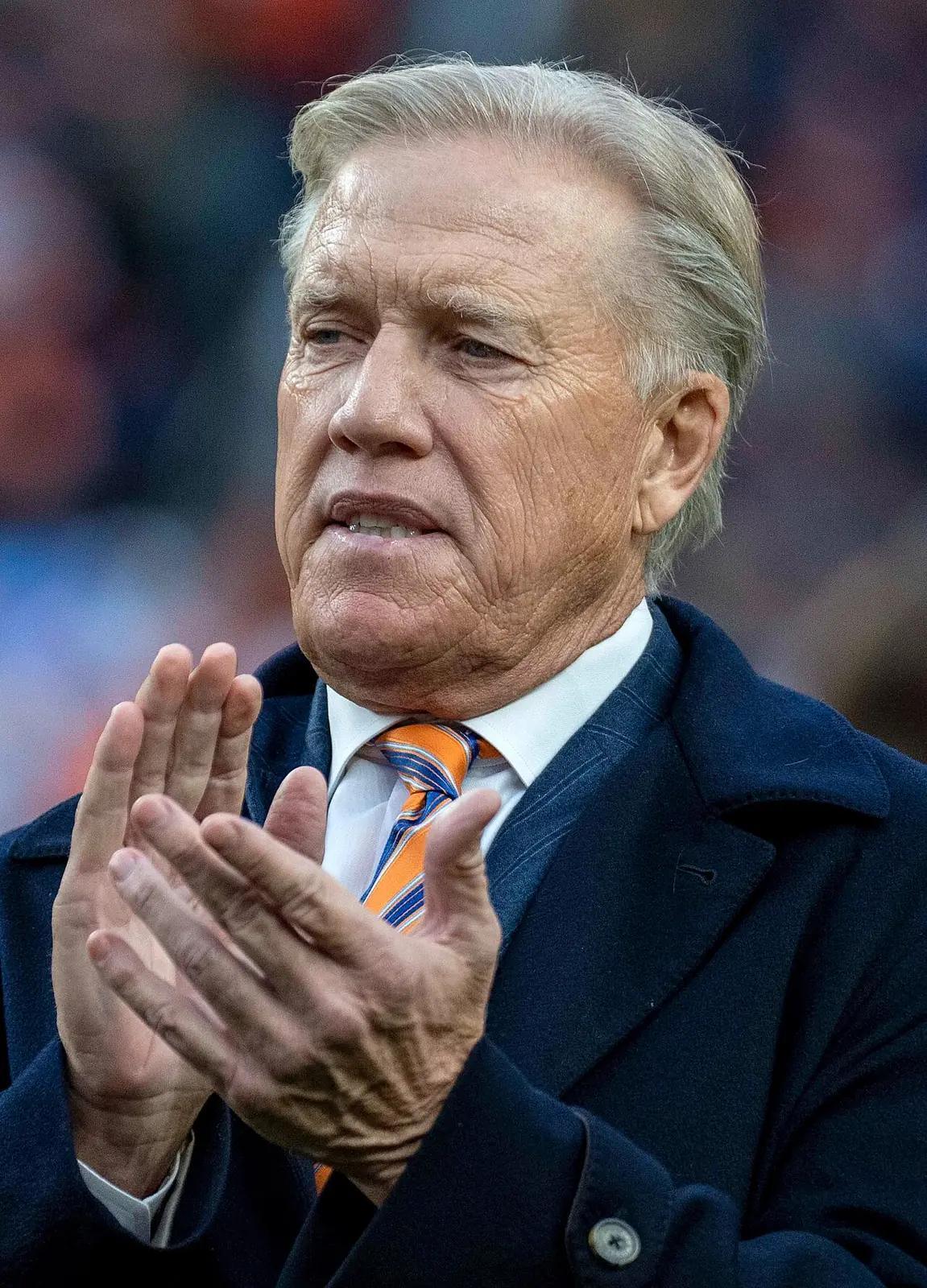
Davis ranks second because his best years were unusually concentrated and closely tied to Denver’s first two Super Bowl championships. The Super Bowl XXXII MVP award, 1998 AP MVP and 2,008-yard rushing season supply separate evidence of postseason and regular-season excellence. Injuries make the longevity tradeoff unavoidable. We count his active seasons through 2001 and distinguish the 2002 reserve year. Miller offers a longer Denver career, but Davis wins this adjacent comparison on the sheer intensity of the offensive peak that accompanied the breakthrough championship era.
3. Von Miller
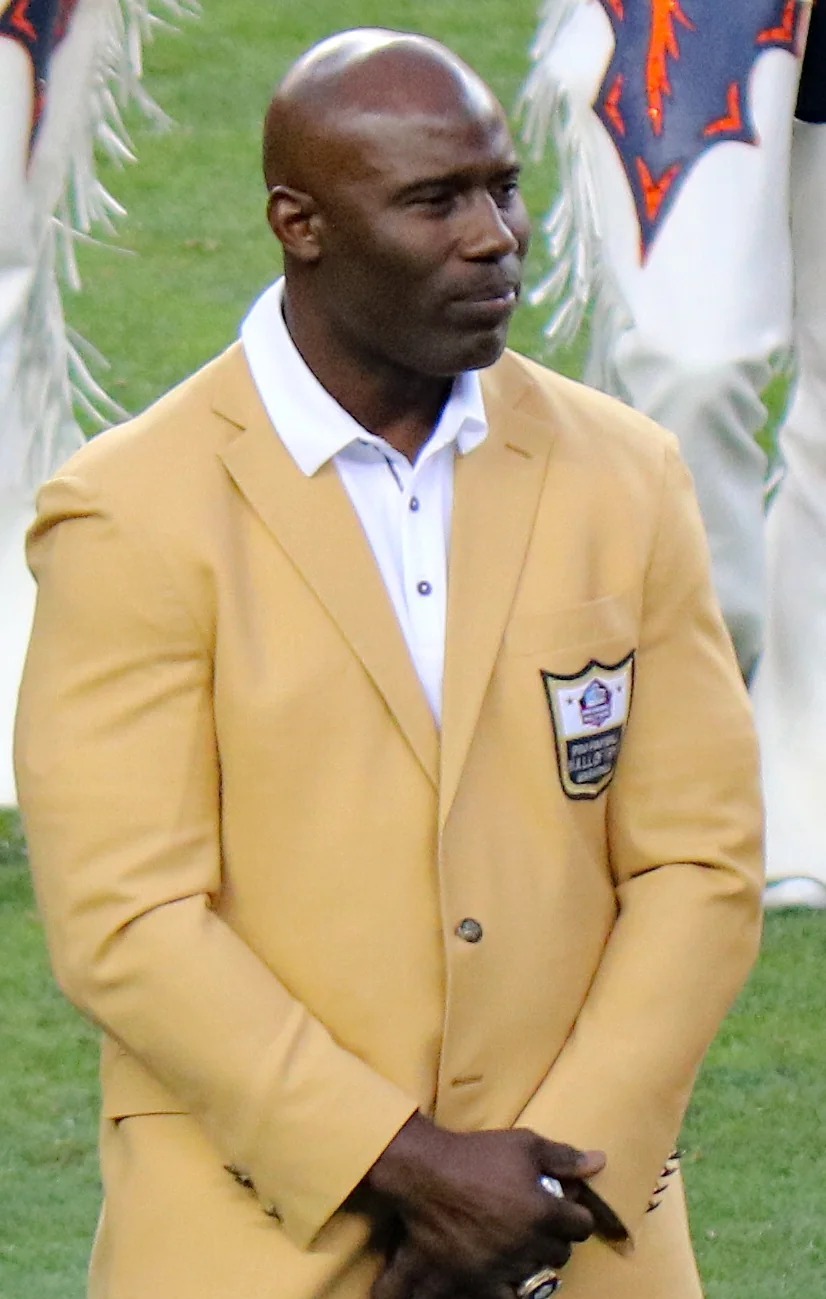
Miller’s Denver case combines a long pass-rushing record with one of the franchise’s defining defensive championship performances. The 110.5 Broncos sacks are the relevant team total; sacks for later clubs are excluded. Super Bowl 50 MVP recognizes how decisive the pressure became in the largest game. He sits third because Davis reached a slightly higher regular-season peak relative to his position during Denver’s first title run. Miller answers with longer service and a championship performance that makes a second-place argument entirely reasonable under a defense-focused weighting.
4. Champ Bailey
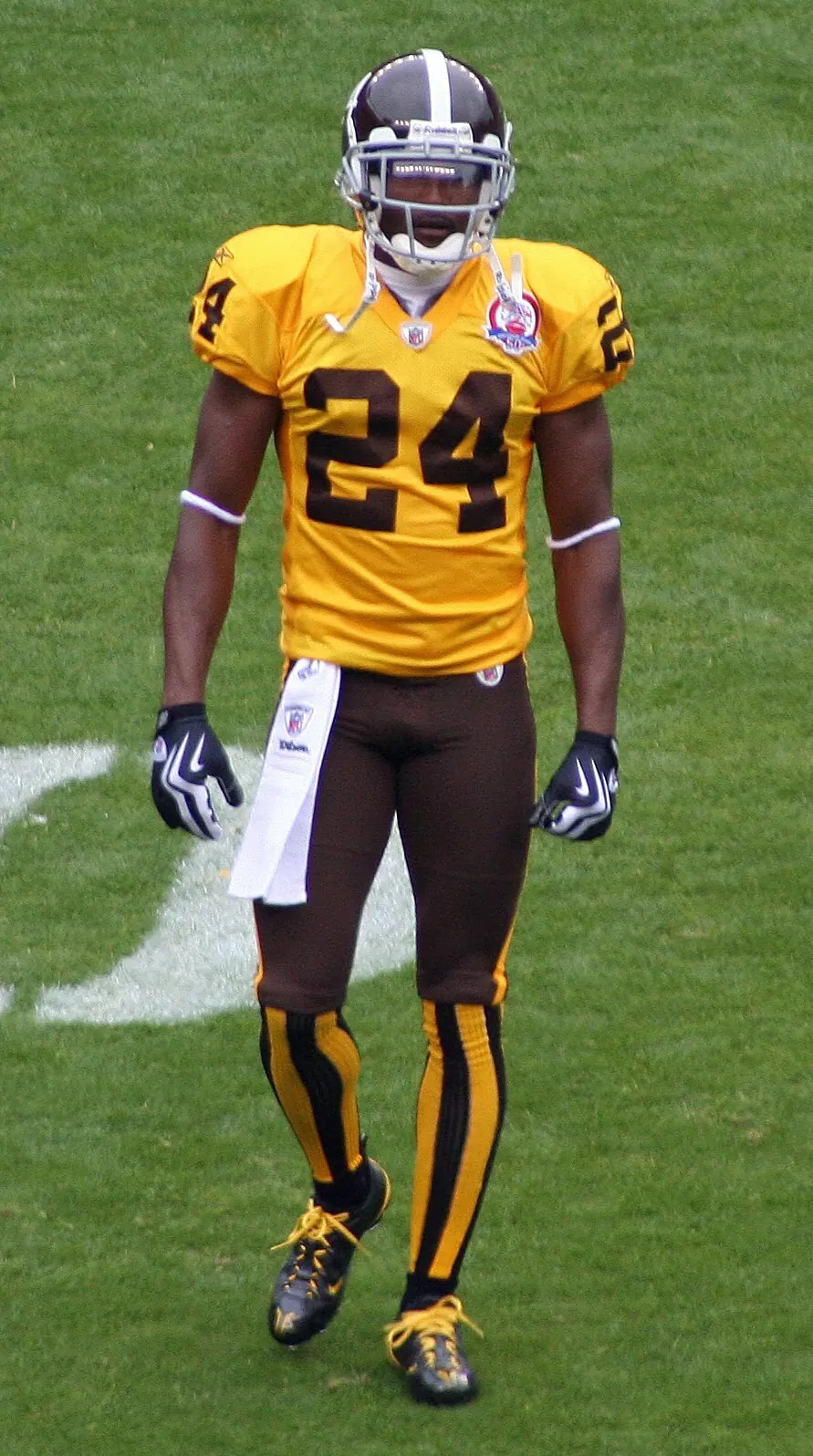
Bailey places fourth on the strength of ten Denver seasons that included an exceptional sustained coverage peak. Eight Pro Bowls as a Bronco provide a contemporary measure without importing Washington honors. Cornerbacks can create value when the ball is thrown elsewhere, so we avoid equating importance with interception totals alone. The absence of a Denver Super Bowl win during his playing tenure does not remove him from consideration. He trails the three above because they combined elite individual performance with more decisive championship contributions, while his consistency keeps him ahead of the remaining candidates.
5. Shannon Sharpe
Sharpe’s two Denver playing spells produced a sustained receiving threat at tight end and direct contributions to the first two Broncos championships. His Baltimore title and production are excluded. Four AP first-team All-Pro selections during the Denver career support his standing against contemporary tight ends, rather than merely against other Broncos. Bailey receives a narrow advantage because of the coverage peak over a concentrated ten-season tenure. Sharpe’s longer total Denver service and offensive influence keep that comparison close, and they place him above the other receivers considered for this list.
6. Randy Gradishar
Gradishar ensures the Orange Crush era receives full consideration rather than being overshadowed by later championship teams. The 1978 AP Defensive Player of the Year award establishes an elite individual peak, and his role on the team that reached Super Bowl XII adds postseason weight. All ten NFL playing seasons belonged to Denver. We place him sixth because the players above combined similarly high peaks with longer service or more championship contribution. His Canton induction in 2024 recognizes the career, but the ranking follows the playing record rather than the timing of that recognition.
7. Gary Zimmerman
Zimmerman earns seventh despite a comparatively short Denver tenure because his tackle play supplied a high-level foundation for a championship offense. Only the five Broncos seasons count here; the earlier Minnesota honors are not transferred to Denver. His work protecting the passer and supporting the running game belongs in the same discussion as visible skill-position production. Gradishar receives the edge for twice the Denver longevity and an individual defensive peak. Zimmerman remains above Manning because his sustained contribution at his position slightly outweighs the quarterback’s shorter Denver span under this rubric.
8. Peyton Manning
Manning’s four Denver seasons included the record 55-touchdown passing year in 2013, an AP MVP award and two Super Bowl appearances. Those are sufficient to earn a top-ten place without using a single Indianapolis achievement. The championship came in a different phase from the spectacular passing peak, so we do not describe 2015 as another record-setting offensive season. He finishes eighth because this ranking gives substantial weight to sustained Denver service. Readers emphasizing only the best single season could move him considerably higher; the factual résumé would stay the same.
9. Rod Smith
Smith’s entire regular-season NFL receiving record belongs to Denver: 849 catches and 11,389 yards. That long contribution and his role on two championship teams make him a strong counterweight to shorter, more spectacular careers. We distinguish his active playing seasons from earlier development and later reserve status rather than inflating the tenure. Manning receives the adjacent advantage for an extraordinary MVP-level peak at quarterback. Smith stays ahead of Little because of the combination of sustained production and postseason value, while the earlier running back’s importance to the franchise makes tenth place competitive.
10. Floyd Little
Little closes the list by representing the Broncos before the Super Bowl era of contention. The 1971 rushing title demonstrates that he could lead his position even when the franchise was not a championship team. All nine NFL seasons belonged to Denver, and his running and return work helped establish a credible offensive identity. We place him tenth because the players above offer stronger combinations of peak, accumulated value or postseason achievement. His foundational importance matters as legacy, but the ranking also demands a concrete playing case, which the rushing title and long Denver service provide.
Best Broncos defensive players of all time
Our highest choices among the best Broncos defensive players of all time are Miller, Bailey and Gradishar. Miller supplies the championship pass-rush peak, Bailey the extended coverage standard, and Gradishar the Orange Crush connection. These names remain part of the same franchise ranking. A short defensive query is answered here without splitting the evidence into a second, overlapping guide.
Wear their legacy
Elway and Davis point to the first championship offense; Miller’s number recalls a later title won with dominant defense. Browse the Broncos throwback collection to start with an era, or the legends hub to compare historical names. No place in this ranking depends on whether that player has a product page.
Modern Nike listings should be checked for their specific edition and number before being treated as a historical reproduction. A recent jersey and an older orange or blue design can tell different stories even when the name matches. The Broncos jersey numbers guide handles number recognition and policy, while this article explains comparative playing value and the limits of cross-era judgments.
Frequently asked questions
Why is John Elway first?
Elway combines sixteen Denver seasons, an AP MVP peak and five Super Bowl appearances with two championships. His executive career is excluded from the player comparison.
Why put Terrell Davis above Von Miller?
Davis receives a narrow edge for the intensity of his MVP-level rushing peak alongside the first two Broncos championships. Miller has the longer Denver tenure and an exceptional Super Bowl 50 performance, so a different weighting can reasonably reverse them.
Does this include the best Denver Broncos players of all-time from the AFL era?
Yes. Floyd Little’s career begins in the AFL and continues after the merger. His 1971 NFL rushing title is evaluated in context rather than dismissed because Denver had not yet become a championship contender.
Why is Peyton Manning eighth?
Only his four Denver seasons count. They include an extraordinary 2013 peak and a later title, but the rubric also rewards sustained franchise service. Indianapolis achievements do not inflate his Broncos position.
Sources
- Broncos official Top 100 Team, 2019 selection and franchise years
- Canton profile: John Elway
- Canton profile: Terrell Davis
- Canton profile: Champ Bailey
- Canton profile: Shannon Sharpe
- Canton profile: Randy Gradishar
- Canton profile: Gary Zimmerman
- Canton profile: Peyton Manning
- Canton profile: Floyd Little
- Official 2025 Denver Broncos media guide: franchise careers, numbers and records
Sources checked October 27, 2026. Performance comparisons stop at the completed 2025 season; Canton membership reflects completed induction classes through 2026.