
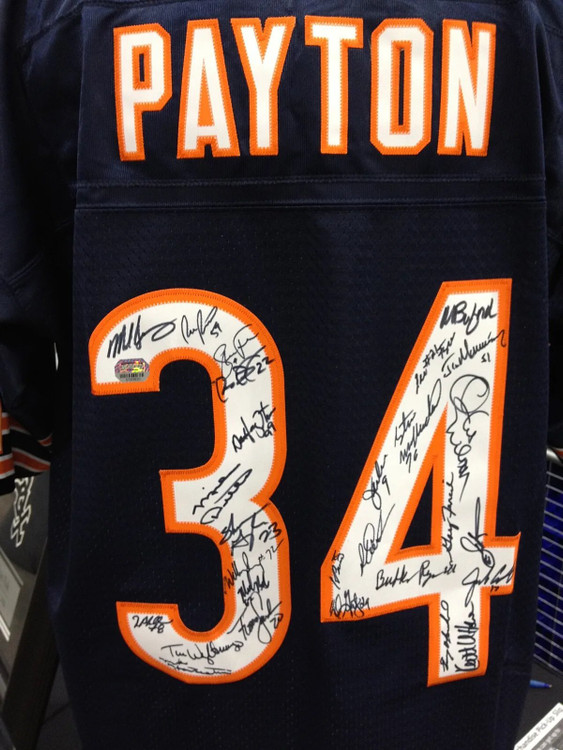
Best Bears Players Of All Time: Our Top 10
Posted by JerseyZenith on Oct 27th 2026
- Ten players, ranked by franchise-only performance across positions and eras.
- Performance cutoff: the completed 2025 season; no unfinished 2026 statistics or projected achievements.
- Canton and other honors reviewed separately through October 27, 2026.
- Jersey numbers identify documented use at this franchise; team years distinguish active and reserve status where relevant.
Chicago’s history makes a modern-only list especially misleading. This top ten compares early two-way stars, championship quarterbacks and several generations of defense, with each disputed placement explained rather than hidden behind a score.
Our top 10 at a glance: rank, position and franchise achievement
| Rank | Player | Position | Team years | Jersey number(s) | Franchise achievement |
|---|---|---|---|---|---|
| 1 | Walter Payton | RB | 1975–1987 | 34 | 16,726 rushing yards, all with Chicago; 1977 AP MVP |
| 2 | Dick Butkus | LB | 1965–1973 | 51 | Eight Pro Bowls in nine Chicago seasons |
| 3 | Sid Luckman | QB | 1939–1950 | 42 | Four NFL championships; 1943 league MVP |
| 4 | Bronko Nagurski | FB/T | 1930–1937; 1943 | 3 | Three NFL championships across two Chicago playing spells |
| 5 | Gale Sayers | HB/KR | 1965–1971 | 40 | 22 touchdowns as a rookie in 1965 |
| 6 | Mike Singletary | LB | 1981–1992 | 50 | 1985 and 1988 AP Defensive Player of the Year |
| 7 | Brian Urlacher | LB | 2000–2012 | 54 | 2005 AP Defensive Player of the Year; Super Bowl XLI berth |
| 8 | Mike Ditka | TE | 1961–1966 | 89 | Five Pro Bowls as a Bears player; 1963 NFL champion |
| 9 | Richard Dent | DE | 1983–1993; 1995 | 95 | Super Bowl XX MVP; 124.5 Bears sacks |
| 10 | Red Grange | HB/DB | 1925; 1929–1934 | 77 | Contributor to the 1932 and 1933 championship teams |
How we ranked these players
The ranking uses four criteria: how dominant the player was against his contemporaries, how long that value lasted in Chicago, what individual honors support the assessment, and how the player contributed in the postseason. We use legacy to explain the result, without assigning numerical grades that the evidence cannot justify.
The Bears’ 2019 centennial list by Don Pierson and Dan Pompei is a valuable dated reference, not this article’s order. Our placement of Luckman above Nagurski and inclusion of later defensive careers follow the stated weighting. We separate Ditka’s player tenure from his coaching achievements and do not credit a defender with championships won after he left. The playing cutoff is the completed 2025 season; Canton recognition is reviewed through October 27, 2026. This is an editorial selection, not an official Bears ballot.
The 10 greatest Chicago Bears players
1. Walter Payton
Payton stands first because the Bears received both an exceptional peak and almost his entire era’s definition of sustained running-back value. All 16,726 rushing yards came in Chicago, and the 1977 AP MVP season shows how high the performance ceiling reached. His contribution extended beyond carrying the ball to receiving, blocking and occasional passing. Super Bowl XX completes the team story but does not create the ranking by itself. No other candidate here combines comparable longevity, individual dominance and breadth of offensive responsibility over such a long Bears career.
2. Dick Butkus
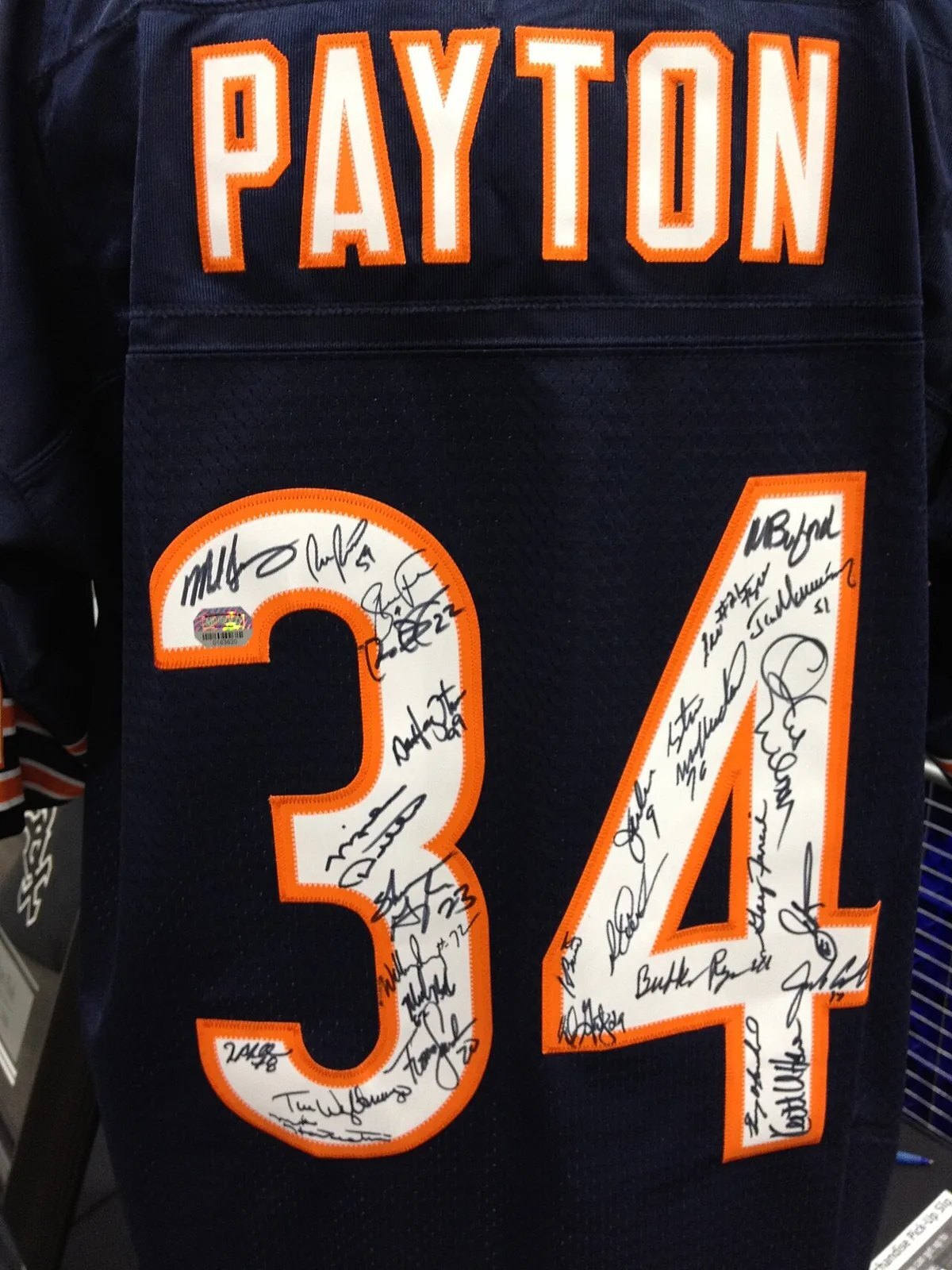
Butkus earns second for a level of defensive influence that remains persuasive even after separating reputation from achievement. Eight Pro Bowls across nine Bears seasons show repeated recognition by contemporaries rather than a legacy built only on memorable collisions. He played before the championship defense of 1985, so that later team’s success belongs elsewhere. The shorter career leaves Payton comfortably ahead. Against the other linebackers on this list, Butkus receives the edge for the sustained severity of his peak and the standard he established at the position.
3. Sid Luckman
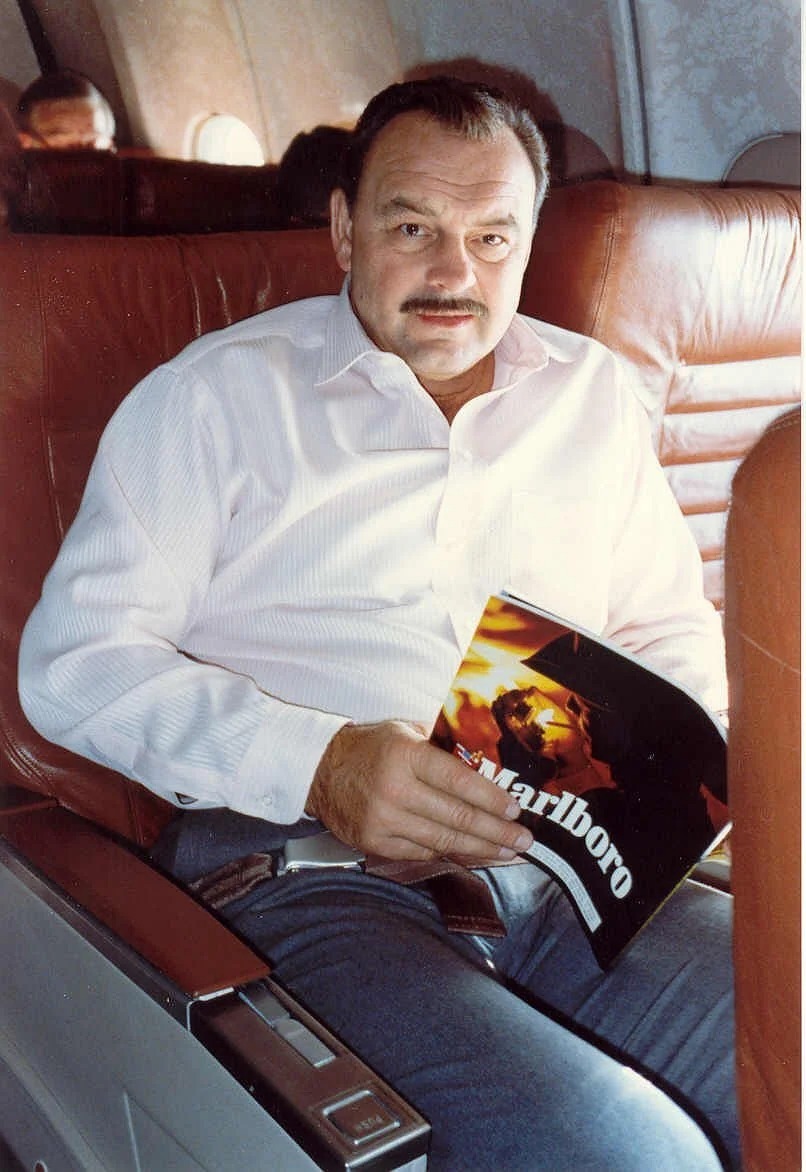
Luckman moves above Nagurski in this editorial ranking because four championship seasons and high-level quarterback play carry unusual franchise value. He helped turn the T-formation into a championship offense, while his 1943 league MVP award provides an individual anchor for that influence. We do not equate his passing totals with those produced under modern rules. Instead, we ask how strongly he shaped his own competitive environment. That approach rewards his peak and sustained title contribution without pretending an old offense can be measured like a current one.
4. Bronko Nagurski
Nagurski’s two-way contribution makes him one of the most difficult Bears to compare with a modern specialist. His power running and line play helped three championship teams, including the 1943 return after his original playing spell. He sits fourth because that direct impact on winning and his standing among early professional stars survive any reasonable adjustment for era. Luckman receives a narrow advantage for a longer championship run at quarterback. Nagurski’s place is supported by Chicago performance, not by later mythology about how he might fare today.
5. Gale Sayers
Sayers is the strongest argument for giving exceptional peak more weight than career length. His 22-touchdown rookie season included the remarkable six-touchdown game against San Francisco, and his running and return ability changed field position in ways a rushing total cannot capture. Injuries sharply limited the sustained value. We therefore place him below the longer championship careers ahead, while keeping him above several durable stars whose best seasons were less extraordinary. This is an explicit peak-versus-longevity decision, rather than an assumption that shorter careers cannot belong near the top.
6. Mike Singletary
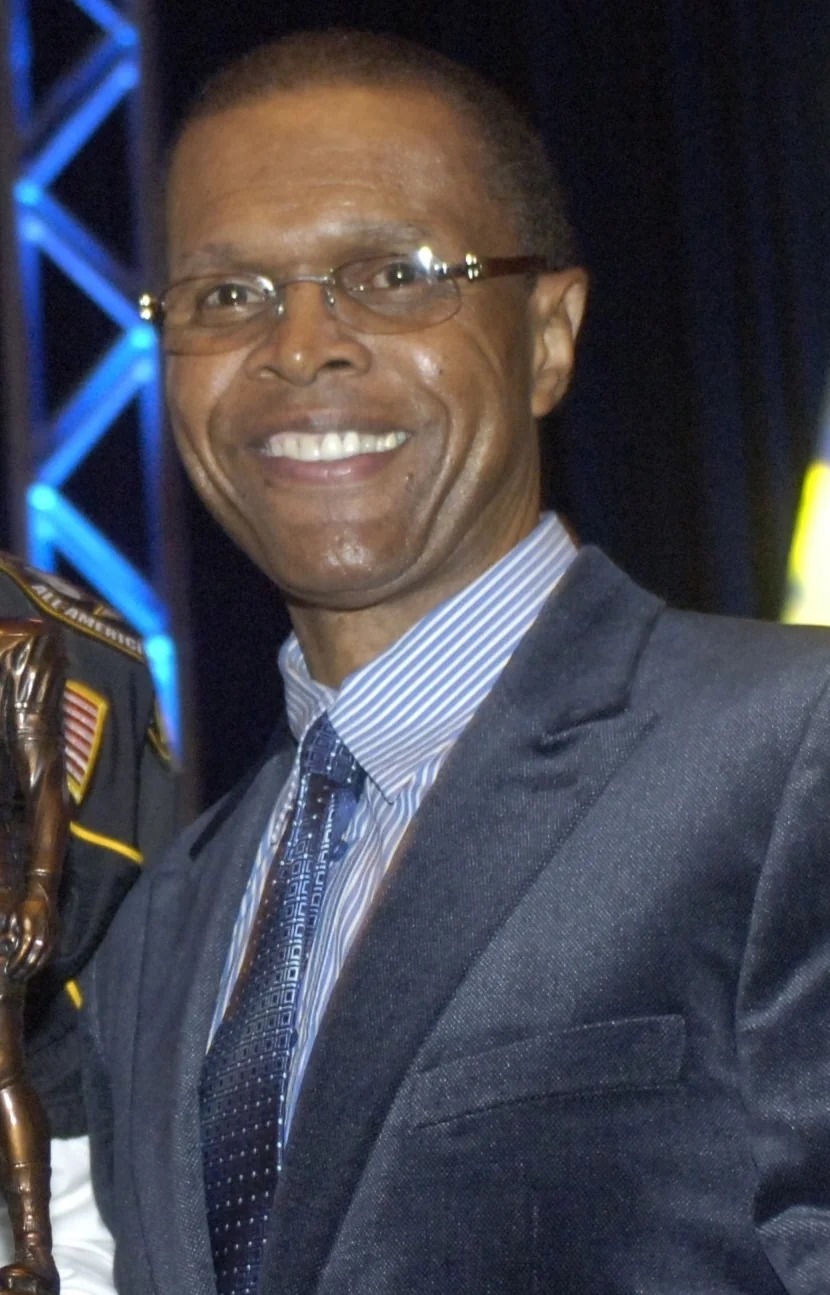
Singletary receives the next place for combining an outstanding individual peak with sustained responsibility in the middle of Chicago’s defense. His AP Defensive Player of the Year awards in 1985 and 1988 show that the case extends beyond association with one famous championship unit. He helped organize the defense as well as execute it. Butkus remains higher for our assessment of position-level dominance, while Singletary gains ground through longevity and postseason achievement. That balance places him ahead of other later Bears defenders without denying how strong the comparisons are.
7. Brian Urlacher
Urlacher’s thirteen-season Bears career provides the best modern counterpoint to the earlier middle linebackers. His 2005 AP Defensive Player of the Year award captures the peak, and the run to Super Bowl XLI supplies meaningful postseason contribution even though Chicago lost the game. His range in coverage is central to the comparison, particularly in an era that demanded more space from linebackers. He lands just behind Singletary because the latter combines comparable individual honors with the championship defense. A different weighting of coverage responsibility could reasonably reverse them.
8. Mike Ditka
Ditka belongs here for his playing career alone. Five Pro Bowls in six Chicago seasons and a place on the 1963 champions establish his importance as a tight end before any discussion of coaching begins. We deliberately exclude his coaching victories from the player ranking. His early receiving impact helped expand expectations for the position, and that innovation strengthens a relatively short Bears tenure. The two linebackers above him offer more sustained service. The placement rewards his on-field peak without combining two different jobs into an inflated résumé.
9. Richard Dent
Dent’s pass rush earns a top-ten position through both sustained production and an exceptional championship performance. His 124.5 Chicago sacks remain a substantial franchise anchor, while Super Bowl XX MVP recognizes a game in which he helped turn pressure into a decisive advantage. We do not transfer his later championship experience with another team into this assessment. He finishes just below Ditka because of the latter’s exceptional position-level impact in a shorter span. Dent’s longer service makes that one of the most debatable adjacent comparisons in this list.
10. Red Grange
Grange takes the last place on the strength of his Bears playing value and historical role across the earliest professional era. The 1932 and 1933 championship seasons give his Chicago case substance beyond the fame of his college career. His defensive and two-way work also matters; a modern rushing-only lens would miss much of it. We keep him tenth because the players above provide stronger or longer documented peaks within the franchise. His importance to professional football’s popularity explains his legacy but does not automatically award him a higher playing rank.
Wear their legacy
A Payton number represents the long-running offense of the 1970s and 1980s, while a Luckman or Nagurski choice points to much earlier championship football. The verified Bears away collection offers a team-style route into that history. The legends jersey collection is another place to compare era-inspired choices without assuming every top-ten player has an individual listing.
Check a modern Nike product’s actual details before treating it as an exact historical reproduction. The Bears jersey numbers guide handles retired-number policy; the Bears Hall of Famers guide handles membership. The ranking uses numbers to identify players, while neither their availability nor their visual popularity determines a place in the top ten.
Frequently asked questions
Who ranks first among the best Chicago Bears players of all time?
Walter Payton is first for the combination of an MVP-level peak, thirteen Chicago seasons and broad offensive responsibility. Butkus has an exceptional defensive peak, while Luckman supplies four championship seasons at quarterback.
Why does this differ from the 2019 centennial list?
The centennial list was a separate editorial project by named authors. This article applies its own stated balance of peak, longevity and postseason value; it uses the earlier list as historical context and does not present that ordering as automatically updated.
Are coaches included in the player top ten?
No. Ditka is evaluated for his 1961–1966 Bears playing career. Halas and other important coaches require a different comparison that would not combine coaching wins with rushing, receiving or defensive performance.
Do all ten have to be Hall of Famers?
No. Canton membership is a separate honor with its own process. A player can earn a place through completed Bears contributions whether or not the Hall has elected him.
Sources
- Bears 2019 centennial ranking, attributed historical reference
- Canton profile: Walter Payton
- Canton profile: Dick Butkus
- Canton profile: Sid Luckman
- Canton profile: Bronko Nagurski
- Canton profile: Gale Sayers
- Canton profile: Mike Singletary
- Canton profile: Brian Urlacher
- Canton profile: Mike Ditka
- Canton profile: Richard Dent
- Canton profile: Red Grange
- Official 2025 Chicago Bears media guide: franchise careers, numbers and records
- Richard Dent official Bears sack total by tenure
Sources checked October 27, 2026. Performance comparisons stop at the completed 2025 season; Canton membership reflects completed induction classes through 2026.